
Battery Weed, the Four-Tiered Fort Guarding the Narrows
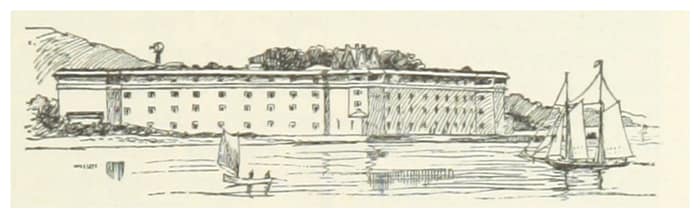
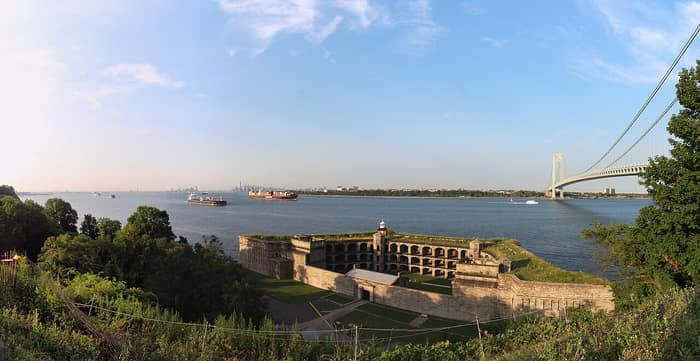
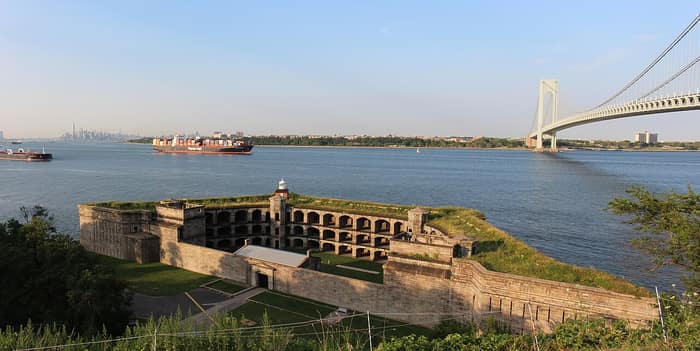
Battery Weed is a four-tiered 19th-century fortification on the Staten Island shore of the Narrows, the main sea approach to New York City. It is the centerpiece of Fort Wadsworth, directly across the water from Fort Hamilton in Brooklyn, and one of the most striking forts in the five boroughs. It is a rewarding off-the-beaten-path stop for history lovers.
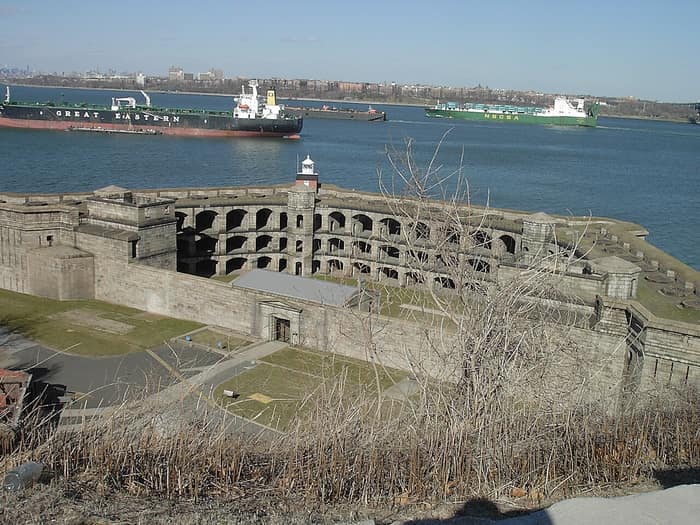
This granite fort was built with four tiers of cannon, more than 100 guns facing the sea, yet it never fired in anger. A small lighthouse added on its roof in 1903 still stands above the harbor entrance.
The history of Battery Weed, from Fort Richmond to national park
The Narrows is the strait that separates Staten Island from Brooklyn and forms the natural gateway from the Atlantic Ocean to New York Harbor, so defenses have stood on this hill for centuries. The first fort on this exact spot was built by the State of New York beginning in 1806 and was ready for service in 1808, though it was still incomplete. Made of red sandstone and named Fort Richmond after Richmond County, which covers Staten Island, it was originally semicircular. It was protected on the landward side by the first Fort Tompkins, and both were expanded during the War of 1812. New York City was never attacked in that war, so the forts did not fire in anger.
By 1835 the old forts had decayed so much that they were declared unfit for use, and the federal government spent about a decade buying them. In 1847 a total rebuilding began under the federal Third System of seacoast fortifications, a national program of new forts launched after the burning of Washington, D.C. in the War of 1812. Some sources say Robert E. Lee, then post engineer at Fort Hamilton, took part in the early designs; the detailed plans are credited to General Joseph G. Totten, and the work continued into 1861.
The result was an unusual fort. Fort Richmond had one landward front and three fronts facing the sea, with four tiers of cannon holding 116 guns toward the water, plus 24 flank howitzers on the landward side. In the United States this four-tier arrangement was matched only by Castle Williams on Governors Island and by Fort Point in San Francisco. It was renamed Fort Wadsworth in 1865, after Brigadier General James Wadsworth, killed in the Battle of the Wilderness.
Changing technology soon made masonry forts obsolete. A mine casemate for controlling an underwater minefield was built inside the fort in 1875 and later reused when mines became a standard part of harbor defense. In the 1890s the Endicott Program added many new batteries nearby, and on February 4, 1902, the whole area took the name Fort Wadsworth, while the old Fort Richmond became Battery Weed, in honor of Brigadier General Stephen H. Weed, killed at Gettysburg in 1863.
A small lighthouse was built on top of the fort in 1903, visible for 14 nautical miles. When the Verrazzano-Narrows Bridge opened in 1965 it became obsolete, and volunteers restored it and converted it to solar power in 2005. Fort Wadsworth stayed an active military base until 1994, with the U.S. Navy running it in its final years. In 1995 Battery Weed and the rest of the post passed to the National Park Service as part of Gateway National Recreation Area.
Little-known facts about Battery Weed
- Battery Weed was originally Fort Richmond; it only became “Battery Weed” in 1902, when the whole post was renamed Fort Wadsworth.
- Its four tiers of guns are a rarity: only Castle Williams on Governors Island and Fort Point in San Francisco share this arrangement among completed American forts.
- Before it closed in 1994, Fort Wadsworth was claimed to be the longest continuously garrisoned military installation in the United States.
- A 10-inch smoothbore Rodman gun is preserved inside the fort.
- The lighthouse on top of the fort was built in 1903 and went dark for years after the Verrazzano-Narrows Bridge opened in 1965, until volunteers restored it in 2005.
- Across the Narrows, Battery Weed faces Fort Hamilton in Brooklyn and the site of the now-destroyed Fort Lafayette.
Tours near Battery Weed
Experiences in the area that you can book online with Viator:


Visiting Battery Weed at Fort Wadsworth
- Battery Weed is part of the Staten Island Unit of Gateway National Recreation Area, run by the National Park Service. Its exterior can be viewed at all times.
- The interior is open to the public only on guided tours led by park rangers. Tour schedules and rules change, so check the current rules before you plan your trip.
- Fort Wadsworth has other fortifications to explore, including Fort Tompkins and several later gun batteries, and the open grounds look across the Narrows.
- Nearby sites on this guide include the Alice Austen House on Staten Island, as well as Fort Hamilton and the Fort Lafayette site across the water in Brooklyn.
Opening hours, access and conditions can change. Check before you go.
Map: where Battery Weed is
Photos of Battery Weed


Questions
What is Battery Weed?
It is a four-tiered 19th-century stone fort at Fort Wadsworth, on the Staten Island shore of the Narrows. It was built to protect New York City from attack by sea.
Can you go inside Battery Weed?
Only on ranger-escorted tours; the interior is not open for self-guided visits. The exterior can be viewed at all times, but check the current rules before you go.
Why is it called Battery Weed?
In 1902 the old Fort Richmond was renamed Battery Weed in honor of Brigadier General Stephen H. Weed, who was killed at Gettysburg in 1863.
Was Battery Weed ever attacked?
No. New York City was not attacked by sea during the War of 1812 or the Civil War, so the forts on this site never fired in anger.
What is the lighthouse on top of Battery Weed?
A small light built in 1903 and visible for 14 nautical miles. It became obsolete when the Verrazzano-Narrows Bridge opened in 1965 and was restored by volunteers in 2005.
Who runs Fort Wadsworth today?
The National Park Service, as part of Gateway National Recreation Area, since 1995. The site was an active military base until 1994.
Also nearby
Fort Wadsworth
Fort Wadsworth · Staten Island’s harbor fortress on The Narrows
50 m away
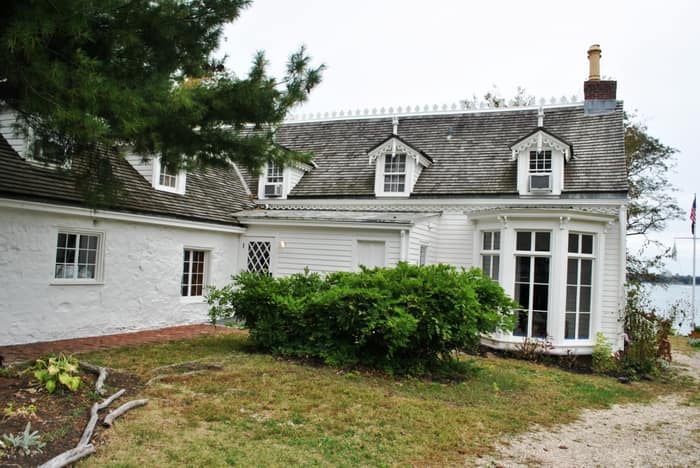
Alice Austen House
Alice Austen House · Dutch colonial home and photography museum
1.5 km away
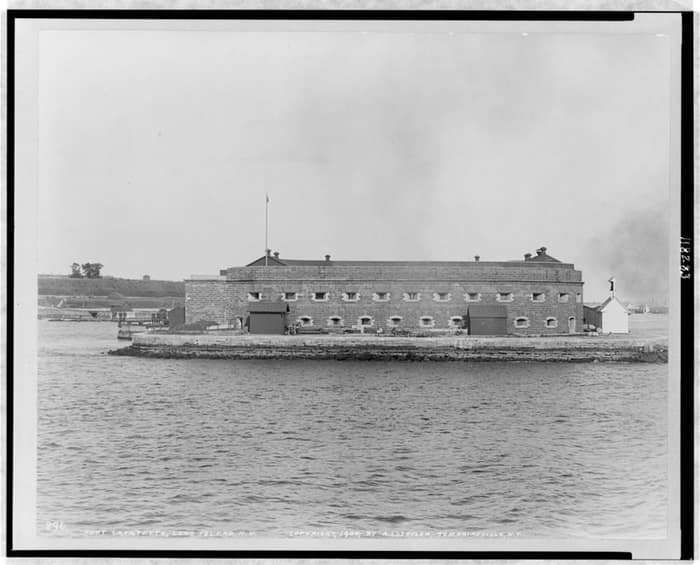
Fort Lafayette
Fort Lafayette · lost island prison fort beneath the bridge
1.5 km away
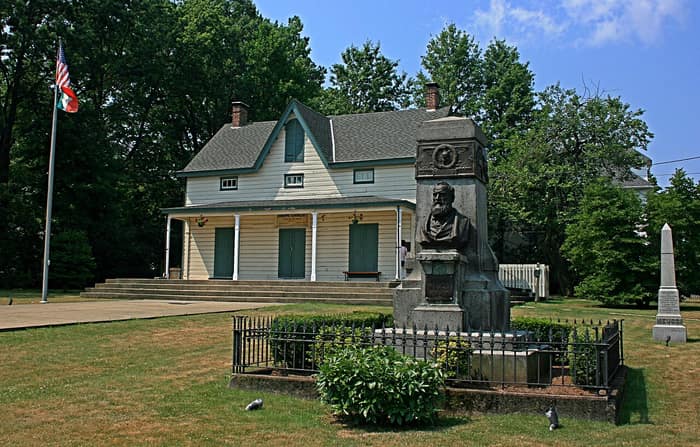
Garibaldi-Meucci Museum
Garibaldi-Meucci Museum · Staten Island home of Meucci and Garibaldi
2 km away