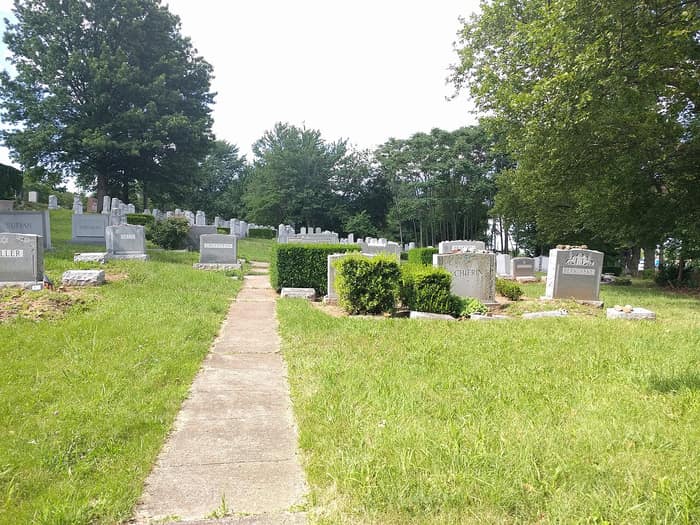
Baron Hirsch Cemetery, a Vast Jewish Cemetery in Graniteville
Baron Hirsch Cemetery is a large Jewish cemetery in Graniteville, on Staten Island, founded in 1899 and named for the philanthropist Baron Maurice de Hirsch. Its patchwork of plots, many belonging to synagogues and immigrant societies, tells the story of generations of newcomers. It is a place of memory rather than a sightseeing stop, and a respectful visit calls for care.
Around 500 separate plots, many run by immigrant mutual aid societies named after Old World hometowns, make this Staten Island cemetery a map of Jewish New York’s European roots.
The history of Baron Hirsch Cemetery in Graniteville
The cemetery takes its name from Baron Maurice de Hirsch, who was born in Munich in 1831 and died in 1896. He was a German Jewish financier who earned a large fortune from banking and railway ventures, and then devoted much of it to philanthropy. He gave money for schools and for the relief of persecuted Jews in Eastern Europe and founded the Jewish Colonization Association, which sponsored large-scale Jewish emigration to Argentina. In New York his name became associated with the help given to Jewish immigrants, and when this cemetery was established on Staten Island in 1899 it was named in his honor.
Baron Hirsch Cemetery lies in the Graniteville neighborhood and is unusual for its structure. It is made up of about 500 plots or sections belonging to synagogues, Jewish associations, family circles and, most commonly, landsmanshaftn. A landsmanshaft was a mutual aid society formed by Jewish immigrants from the same European town or region. These groups helped newcomers find housing and work, paid benefits in hard times and often provided burial. A federal project in 1938 counted 2,468 of them in New York City. Most plots are entered through gates or pairs of stone columns, and some of the plots have monuments dedicated to the Jews of the members’ ancestral towns who were killed by the Nazis in the Holocaust, including plots for immigrants from Wodzislaw in Poland, Gvardeyskoye and Nadvirna in Ukraine, and Hlusk in Belarus.
In January 1960 the cemetery drew national attention when 87 headstones were smeared with yellow paint and with the German words for Führer, death and fatherland. That incident and others prompted President Dwight D. Eisenhower to say that freedom and decency could be destroyed anywhere if Americans ignored the “virus of bigotry” or let it spread even one inch. Even so, vandalism, apathy and neglect remained problems for decades and left many grave markers overturned.
A major cleanup of the grounds began in March 2011 with the help of the Community Alliance for Jewish-affiliated Cemeteries, and a fence was built around the cemetery. In 2013 the 121st Precinct station house of the New York Police Department opened next to the cemetery, overlooking it, and it may have helped to reduce vandalism. Among the people buried here are the newspaper publisher Samuel Irving Newhouse Sr., founder of Advance Publications, the theater producer Joseph Papp, founder of The Public Theater, and William Shemin, a Medal of Honor recipient.
Little-known facts about Baron Hirsch Cemetery
- The cemetery is divided into about 500 separate plots, each with its own entrance gate or pair of stone columns in most cases.
- A landsmanshaft was a hometown society of Jewish immigrants; the Works Progress Administration counted 2,468 of them in New York City in 1938.
- Some plots carry Holocaust memorials to the Jewish communities of towns in Poland, Ukraine and Belarus.
- The 1960 vandalism, with 87 headstones painted, was so notorious that President Eisenhower commented on it.
- Joseph Papp (1921–1991), who founded The Public Theater, is buried here, as is the publisher Samuel Irving Newhouse Sr. (1895–1979).
- William Shemin (1896–1973), a Medal of Honor and Purple Heart recipient, is also among those buried at Baron Hirsch.
Tours near Baron Hirsch Cemetery
Experiences in the area that you can book online with Viator:


Visiting Baron Hirsch Cemetery on Staten Island
- This is a working memorial site where families remember their dead. Visit quietly and respectfully, as at any cemetery, and do not photograph people who are praying or mourning.
- The sources do not give opening hours or entry rules. Check the current access conditions and any gate times with the cemetery or its community organizations before you go.
- The grounds are enclosed by a fence, built after the 2011 cleanup, and the police precinct station next door overlooks the cemetery.
- Nearby sites in the guide, each about four to five kilometers away, include the Old Goethals Bridge, Seaview Hospital, the Jacques Marchais Museum of Tibetan Art and Sailors’ Snug Harbor.
- Many visitors are family researchers looking for relatives; the plots of immigrant societies are a rare record of the hometowns people came from.
Opening hours, access and conditions can change. Check before you go.
Map: where Baron Hirsch Cemetery is
Questions
What is Baron Hirsch Cemetery?
It is a large Jewish cemetery in Graniteville, Staten Island, established in 1899 and named after the philanthropist Baron Maurice de Hirsch. It is made up of about 500 plots.
Who was Baron Hirsch?
Maurice de Hirsch (1831–1896) was a German Jewish financier and philanthropist who funded education and resettlement schemes for persecuted Jews, including the Jewish Colonization Association, which sponsored emigration to Argentina.
What is a landsmanshaft?
It was a mutual aid society formed by Jewish immigrants from the same European town or region. Many of them owned burial plots at Baron Hirsch Cemetery.
Who is buried at Baron Hirsch Cemetery?
Notable burials include the publisher Samuel Irving Newhouse Sr., the theater producer Joseph Papp, the Medal of Honor recipient William Shemin and the composer Elliot Willensky.
Can you visit Baron Hirsch Cemetery?
Visitors, particularly those with family connections, can go, but the sources give no hours or rules. Check the current access conditions with the cemetery before you travel.
What happened at the cemetery in 1960?
In January 1960, 87 headstones were smeared with yellow paint and hateful German words. The incident drew national attention and a statement from President Eisenhower.
Also nearby
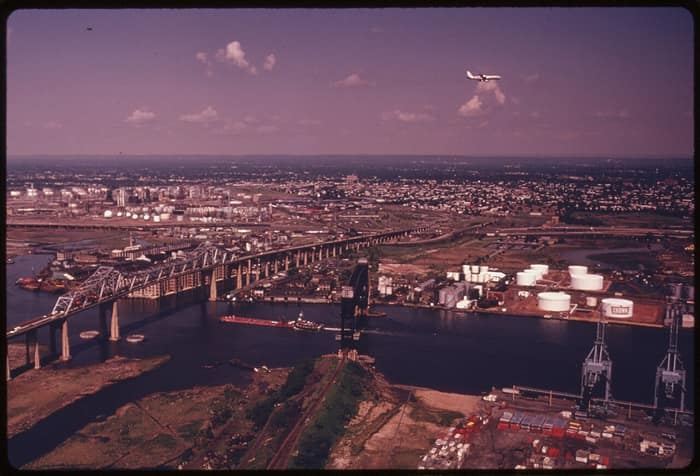
Old Goethals Bridge
Old Goethals Bridge · the 1928 Staten Island bridge, now gone
4 km away

Seaview Hospital
Seaview Hospital · a vast tuberculosis complex on Staten Island
4 km away

Sailors’ Snug Harbor
Sailors’ Snug Harbor · Greek Revival campus built for retired sailors
5 km away
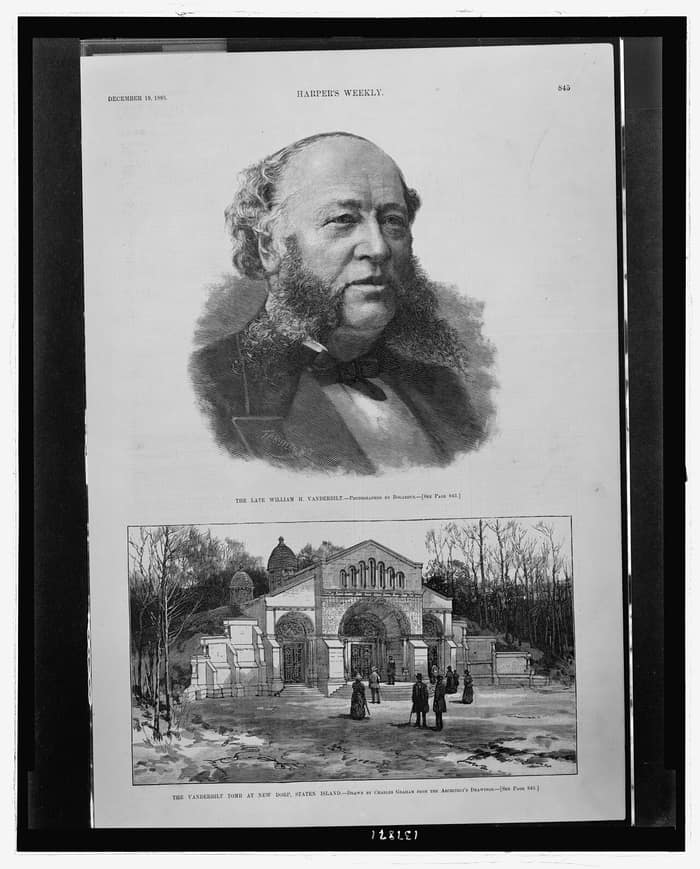
Vanderbilt Family Cemetery and Mausoleum
Vanderbilt Family Cemetery · Gilded Age mausoleum, private site
5 km away