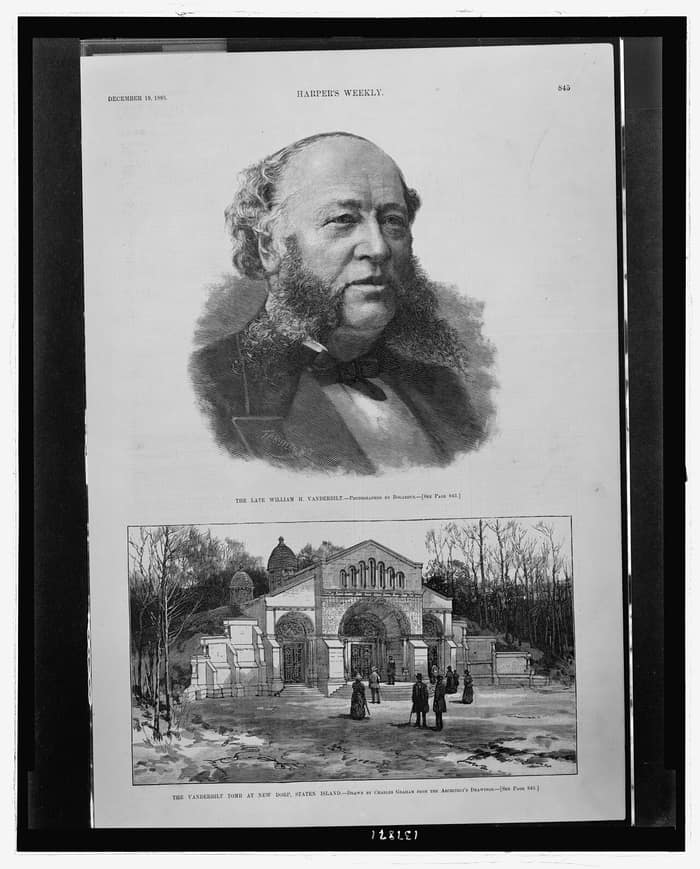
Vanderbilt Family Cemetery and Mausoleum, Hidden on Todt Hill
The Vanderbilt Family Cemetery and Mausoleum is a private burial ground next to the Moravian Cemetery in the New Dorp neighborhood of Staten Island. Designed by Richard Morris Hunt and Frederick Law Olmsted in the late 19th century, it is a landmark of the Gilded Age, the era of vast fortunes. It is one of the borough’s hidden gems, but it is not open to the public.
America’s richest family built its tomb on a Staten Island hillside, and the grounds were laid out by the designers of Central Park. The site is still private, and the Vanderbilts are still buried there.
The history of the Vanderbilt Family Cemetery and Mausoleum
The story begins with the Moravian Church, whose cemetery in New Dorp opened in 1740 and is described as the largest and oldest active cemetery on Staten Island. The land lies on the eastern slope of Todt Hill, the highest natural point on the Eastern Seaboard between Cape Cod and Florida at about 410 feet.
In 1865 the railroad and shipping tycoon Cornelius Vanderbilt gave the Moravian Church 8.5 acres. Three years later he donated another 45 acres, which make up most of the Moravian Cemetery and the site of the private Vanderbilt plot. His son William Henry Vanderbilt later gave 4 more acres and built the residence for the cemetery superintendent.
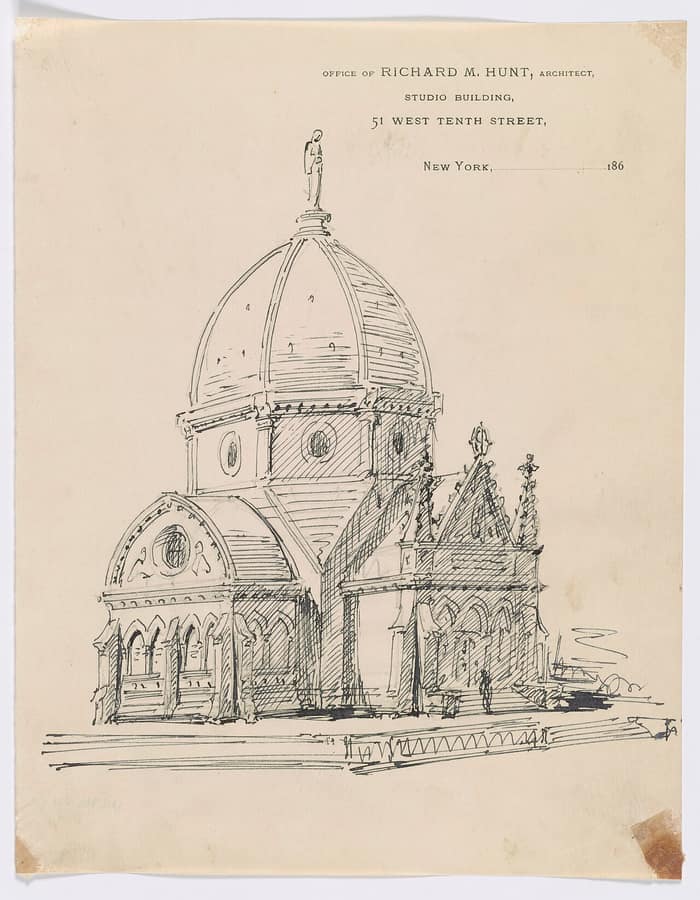
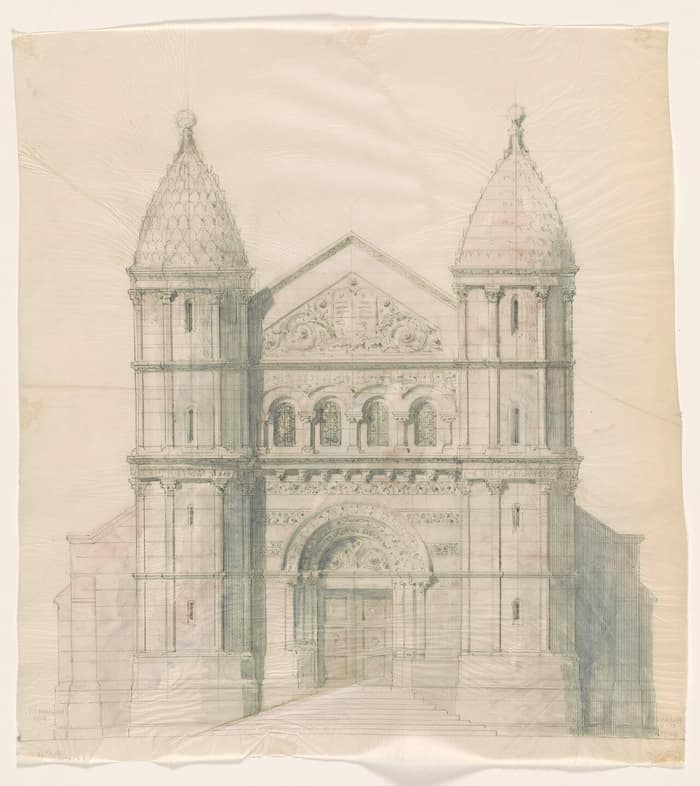
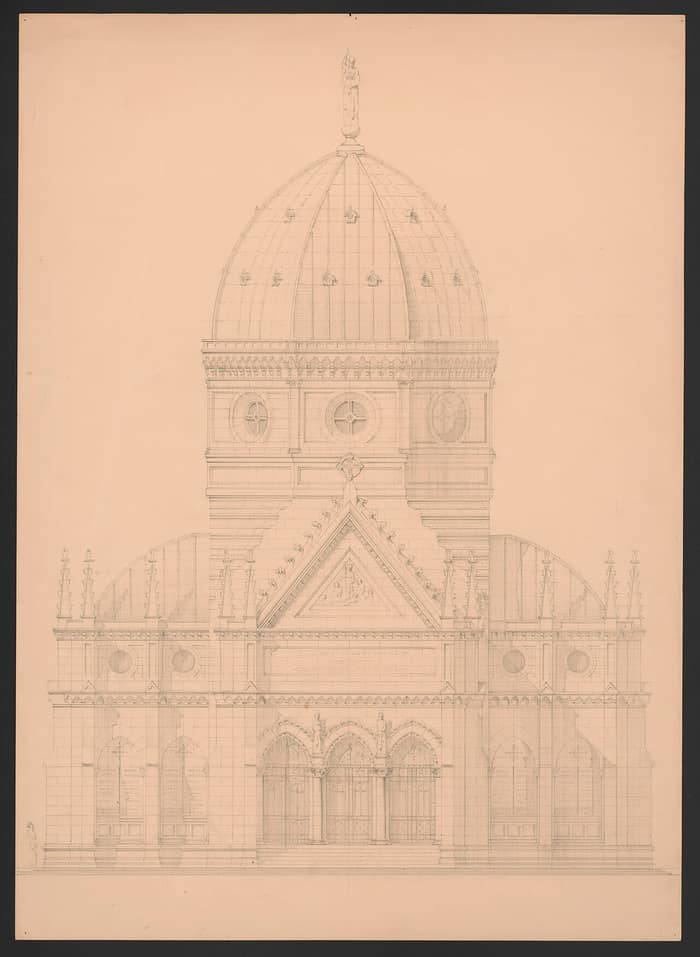
William Henry Vanderbilt was the richest person in America when he died in December 1885. He had commissioned the family mausoleum, which the architect Richard Morris Hunt designed and which was built in 1885–1886. Hunt took inspiration from the 12th-century Romanesque abbey of Saint-Gilles-du-Gard, near Arles in France. Frederick Law Olmsted, co-designer of Central Park, designed the landscaped grounds. Interment inside the mausoleum was reserved for those with the Vanderbilt name, including sons, their wives, and unmarried daughters; it holds the remains of all four of William and Maria’s sons and three of their wives.
A second building, the Sloane Mausoleum, stands northwest of the main one. It was commissioned in 1897, completed in 1898 and attributed to Hunt’s son Richard Howland Hunt, and it was built for the family of William Douglas Sloane and his wife Emily Thorn Vanderbilt. It has eighteen crypts and shows that the descendants of the Vanderbilts continued to use the cemetery through the female line.
In 2016 the mausoleum became a New York City designated landmark, and the Landmarks Preservation Commission’s chair called it an “extraordinary monument to America’s Gilded Age.” It was added to the National Register of Historic Places on July 30, 2021. In 2010 members of the family created the nonprofit Vanderbilt Cemetery Association to preserve and protect the property.
Little-known facts about the Vanderbilt Family Cemetery
- The mausoleum’s design was inspired by a 12th-century Romanesque abbey in France, Saint-Gilles-du-Gard, near Arles.
- The landscape around the tomb was designed by Frederick Law Olmsted, who also designed Central Park.
- Alfred Gwynne Vanderbilt, who died in the sinking of the RMS Lusitania in 1915, has only a cenotaph here, because his body was lost at sea.
- The record producer John Hammond and the blues musician John P. Hammond are buried in the family’s private section through the Sloane line.
- Gloria Vanderbilt (1924–2019), a daughter of Reginald Vanderbilt, is among the notable burials.
- Todt Hill, where the cemetery lies, is the highest natural point on the Eastern Seaboard between Cape Cod and Florida.
Visiting the Vanderbilt Family Cemetery and Mausoleum
- The Vanderbilt section is private and not open to the public. Do not enter or climb the boundaries; access is restricted, so check the current rules.
- The adjacent Moravian Cemetery, at 2205 Richmond Road in New Dorp, is a separate site with its own rules; check access and opening conditions before you go.
- Historic engravings and photographs of the mausoleum, such as those from the Library of Congress, are a way to appreciate its architecture without going in.
- Nearby places on this guide include Seaview Hospital, the Jacques Marchais Museum of Tibetan Art, Historic Richmond Town and the Voorlezer’s House.
Opening hours, access and conditions can change. Check before you go.
Map: where Vanderbilt Family Cemetery and Mausoleum is
Photos of Vanderbilt Family Cemetery and Mausoleum


Questions
What is the Vanderbilt Family Cemetery and Mausoleum?
It is a private family burial ground next to the Moravian Cemetery in New Dorp, Staten Island, with a mausoleum designed by Richard Morris Hunt and grounds by Frederick Law Olmsted.
Can you visit the Vanderbilt Family Cemetery and Mausoleum?
No. The Vanderbilt section is not open to the public, and access is restricted.
Who is buried in the Vanderbilt mausoleum?
Burial inside is reserved for those with the Vanderbilt name, including sons, their wives and unmarried daughters. It holds the four sons of William Henry and Maria Vanderbilt and three of their wives.
When was the Vanderbilt mausoleum built?
It was built in 1885–1886 for William Henry Vanderbilt, who died in December 1885.
Is the Vanderbilt mausoleum a landmark?
Yes. It became a New York City designated landmark in 2016 and was added to the National Register of Historic Places on July 30, 2021.
Where is the Vanderbilt Family Cemetery in Staten Island?
It is in the New Dorp neighborhood, on the eastern slope of Todt Hill, next to the Moravian Cemetery.
Also nearby

Seaview Hospital
Seaview Hospital · a vast tuberculosis complex on Staten Island
1 km away

Jacques Marchais Museum of Tibetan Art
Jacques Marchais Museum · a Himalayan monastery on Staten Island
1.5 km away
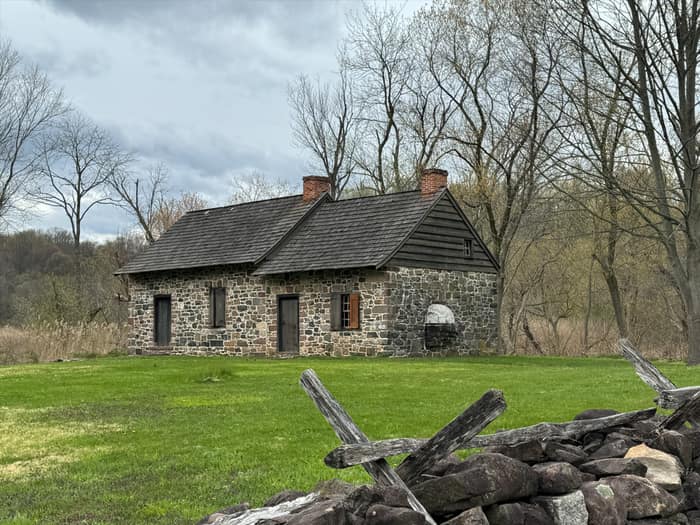
Historic Richmond Town
Historic Richmond Town · a Staten Island village in time
2.5 km away
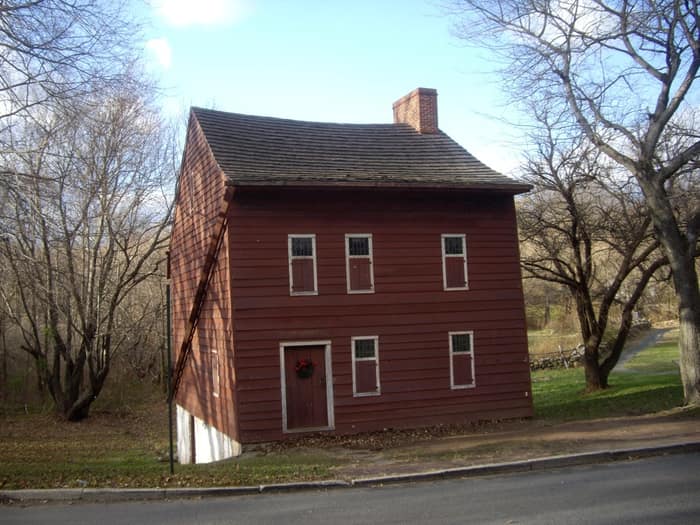
Voorlezer’s House
Voorlezer’s House · Dutch-era “schoolhouse” on Staten Island
2.5 km away