
Jacques Marchais Museum of Tibetan Art, a Himalayan Hideaway on Staten Island
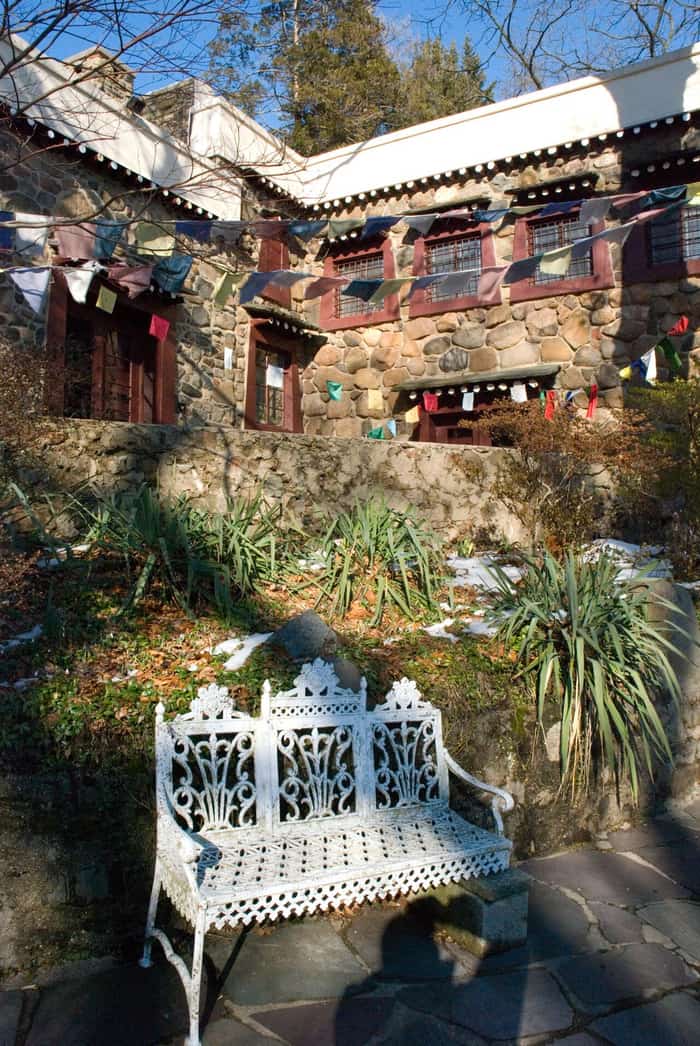
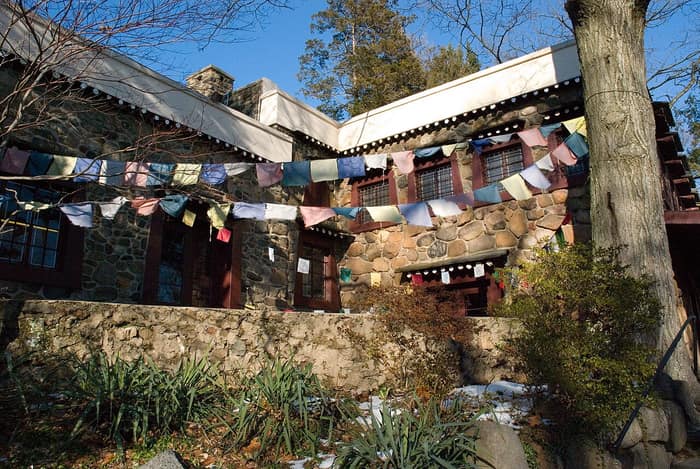
The Jacques Marchais Museum of Tibetan Art sits on residential Lighthouse Hill in Egbertville, Staten Island, and holds one of the most extensive collections of Himalayan artifacts in the United States. Its stone buildings, terraced gardens and lotus pond are made to look like a rustic mountain monastery, a surprising and peaceful detour far from Manhattan’s usual sights.
The woman who built a Himalayan monastery on a Staten Island hill never set foot in Tibet. Her museum, opened in 1947, later won the praise of the Dalai Lama himself.
The history of the Jacques Marchais Museum of Tibetan Art
The museum is the creation of a woman who was born Jacques Marchais Coblentz in 1887 in Cincinnati, Ohio. She started out as a child actress in Chicago, moved to Boston, married at sixteen, had three children and divorced in 1910. After a brief second marriage she settled in New York City, went back to the stage and spent time among people interested in Eastern religions and Buddhism. She used Marchais as her professional name, and at least one New York Times writer referred to her as Jacqueline Klauber.
Around 1920 she married the owner of a chemical factory, and the couple lived in what was then rural Staten Island, one of the five boroughs of New York City. It was there that she began to collect. In 1938 she opened an art gallery in Manhattan, and in 1945 she opened a research library next to her home on Staten Island. Marchais had never visited Tibet or the Himalayas, yet she had been fascinated by the region all her life and wanted to find a permanent home for her collection.
The museum officially opened in 1947. She designed it as an educational center and a bridge between the West and the ancient cultural traditions of Tibet and the Himalayan region. The complex was built to resemble a rustic Himalayan monastery, with extensive terraced gardens and grounds and a pond with fish and lotus plants. Marchais lived from 1887 to 1948, so she died only a year after the doors opened.
In 1991 the Dalai Lama visited the museum and praised its authenticity. In 2009 the site was listed on the New York State Register and on the National Register of Historic Places, the federal list of buildings and places considered worth preserving. The museum, its collection and its place in Staten Island life have been chronicled in a book of the same name and in an exhibition for its 60th anniversary. In 2026 the museum began selling items that did not fit the scope of its collection.
Little-known facts about the Jacques Marchais Museum
- Its founder never traveled to Tibet or the Himalayas; she built her collection and her vision of a mountain monastery from Staten Island.
- “Jacques Marchais” was a professional name: she was born Jacques Marchais Coblentz, and one New York Times writer called her Jacqueline Klauber.
- The grounds include terraced gardens and a pond with fish and lotus, designed as part of the all-encompassing experience that the founder wanted visitors to have.
- The Dalai Lama visited in 1991 and praised the museum for its authenticity.
- Because it has no dedicated parking lot, the museum could not take part in a city transportation program of signs for cultural organizations, so it remains somewhat hidden, though cycling clubs, who find parking easier, have made it a destination.
- The museum began selling items that did not fit the collection’s scope in 2026.
Tours near Jacques Marchais Museum of Tibetan Art
Experiences in the area that you can book online with Viator:


Visiting the Jacques Marchais Museum of Tibetan Art
- The museum is a working cultural institution, not a ruin. Opening days, hours and any special events change, so check the current schedule on the museum’s official website before you go.
- Expect a quiet residential hillside rather than a busy tourist street. The museum has no dedicated parking lot, which is why cyclists and visitors who plan ahead have an easier time.
- Besides the collection of Himalayan artifacts, the terraced gardens, grounds and lotus pond are part of the visit.
- Historic Richmond Town and the Voorlezer’s House are about one kilometer away, and Seaview Hospital and the Vanderbilt Family Cemetery and Mausoleum about two, so the area suits a full day exploring Staten Island.
Opening hours, access and conditions can change. Check before you go.
Map: where Jacques Marchais Museum of Tibetan Art is
Photos of Jacques Marchais Museum of Tibetan Art


Questions
What is the Jacques Marchais Museum of Tibetan Art?
It is a museum on Lighthouse Hill in Staten Island with one of the most extensive collections of Himalayan artifacts in the United States, housed in a complex designed to look like a Himalayan monastery.
Did Jacques Marchais ever go to Tibet?
No. She had never visited Tibet or the Himalayas, but she was interested in the region all her life and gathered the collection in New York.
When did the museum open?
It officially opened in 1947. Its founder died the following year.
Is the museum a historic landmark?
The site was listed on the New York State Register and the National Register of Historic Places in 2009.
Why is the museum considered a hidden gem?
It sits on a residential hill in Staten Island and lacks a dedicated parking lot, so it did not benefit from a city signage program and remains somewhat hidden among New York’s cultural organizations.
Did the Dalai Lama visit the museum?
Yes. He visited in 1991 and praised the museum’s authenticity.
Also nearby
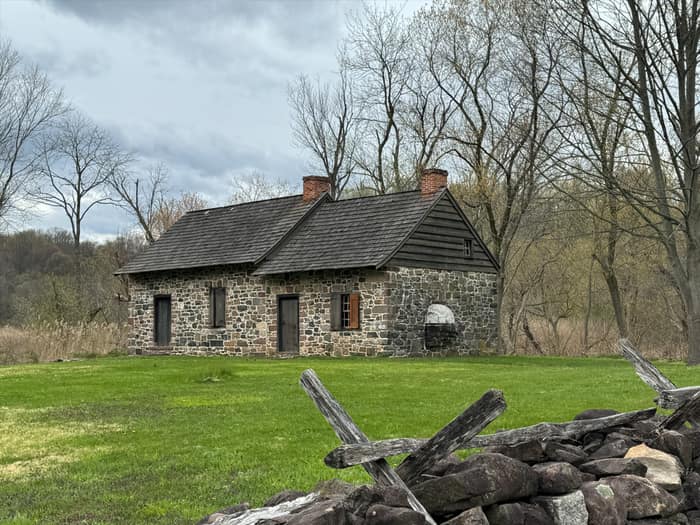
Historic Richmond Town
Historic Richmond Town · a Staten Island village in time
850 m away
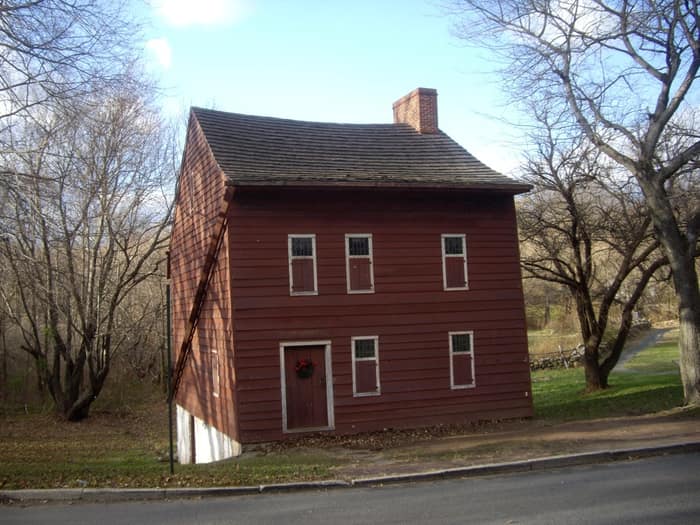
Voorlezer’s House
Voorlezer’s House · Dutch-era “schoolhouse” on Staten Island
950 m away
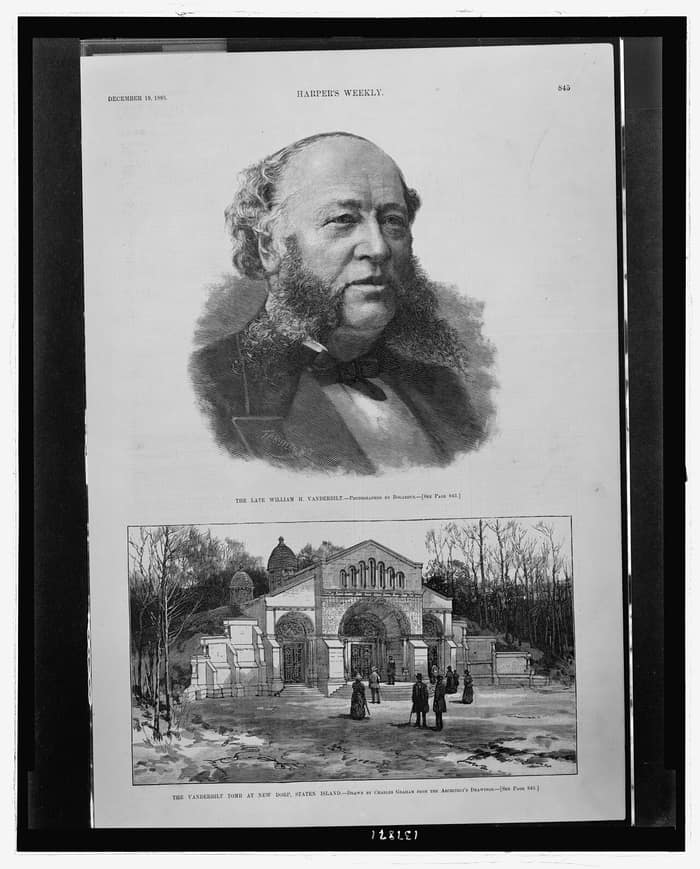
Vanderbilt Family Cemetery and Mausoleum
Vanderbilt Family Cemetery · Gilded Age mausoleum, private site
1.5 km away

Seaview Hospital
Seaview Hospital · a vast tuberculosis complex on Staten Island
2 km away