Conference House, Where Franklin and Adams Met Lord Howe in 1776
Conference House, also called Billop House, is a stone manor in the Tottenville neighborhood of Staten Island, the southernmost of New York City’s five boroughs (its administrative districts). It stands in Conference House Park, overlooking Raritan Bay near the southernmost tip of New York State, and is a National and New York City landmark. It is a far-flung but rewarding hidden gem for anyone interested in the American Revolution.
Benjamin Franklin, John Adams and Edward Rutledge rowed across the water to this stone house in 1776 to hear British peace terms. After three hours they politely said no, and the war went on for seven more years.
The history of Conference House, from Billop’s manor to peace-talk venue
Captain Christopher Billopp, after years of service in the Royal Navy, came to America in 1674 and received a land patent on 932 acres at the southern tip of Staten Island. A later patent, granted under Governor Thomas Dongan, expanded the property to 1,600 acres. The land had long been used by the Raritan band of the Lenape, who camped here and used a spot called Burial Ridge, the largest pre-European site in New York City. It is hard to say exactly when the manor house was built, but a surviving map shows a building on the site before 1680, which is why many sources date it to the 1670s. A local legend says that Billopp won Staten Island for New York rather than New Jersey by sailing around it in a single day.
The house is best known for September 11, 1776. That day Colonel Christopher Billop, a Loyalist officer and the captain’s descendant, hosted an informal diplomatic meeting that became known as the Staten Island Peace Conference. Lord Howe, the British commander in chief in America, met representatives of the Continental Congress: Benjamin Franklin, John Adams and Edward Rutledge, who rowed over from patriot-held Perth Amboy in New Jersey. The talks lasted about three hours. The Americans politely declined Howe’s offer, which his instructions left little room to expand, and the war continued for another seven years.
The point where the house stands, then called Billop’s Point, also served as a military staging ground. On October 25, 1779, John Graves Simcoe, leader of the Loyalist Queen’s Rangers, launched a raid into New Jersey from here, and the boats needed to cross arrived only at three in the morning. After the war the state of New York confiscated the house without paying the Billop family, and most of the Billops moved to Canada.
In the following century the building lost its dignity. Around the centennial of the conference it was used as a hotel and then as a rat poison factory, and was later abandoned and vandalized. A 1901 bill by an assemblyman from Richmond County proposed buying it for preservation but did not succeed at once. The city finally acquired the house in 1926, when it was in danger of being demolished, and created Conference House Park in the same year. A nonprofit group, the Conference House Association, was formed, and in 1929 the city placed the house in its care. It restored the building in small stages: a new roof, stairs to the basement, a repainted facade, the old well, then the second floor and a new attic floor. The work finished in 1937, the house was dedicated on May 15 of that year, and it became a National Historic Landmark in 1966.
Little-known facts about Conference House
- The house stands near Ward’s Point, the southernmost tip of New York State, which was known as Billop’s Point in the 18th century.
- Burial Ridge, on the same land, is described as the largest pre-European site in New York City, based on shell middens and digs by the American Museum of Natural History in 1895.
- The three American delegates in 1776 were Benjamin Franklin, John Adams and Edward Rutledge, who crossed from New Jersey by rowboat for a meeting that lasted about three hours.
- A legend says that sovereignty over Staten Island was settled by Captain Billopp’s skill in circling the island in a day, which gave it to New York instead of New Jersey.
- John Graves Simcoe, who launched a raid from Billop’s Point in 1779, is described as the founder of Toronto.
- Visitors to the house in the 18th century included British commanders, and Hessian and British regiments camped on the grounds during the Revolution.
Tours near Conference House
Experiences in the area that you can book online with Viator:


Visiting Conference House and Conference House Park
- The house is run as a historic house by a nonprofit association within Conference House Park, which overlooks Raritan Bay. Check the current opening hours, tour options and entrance rules before you go.
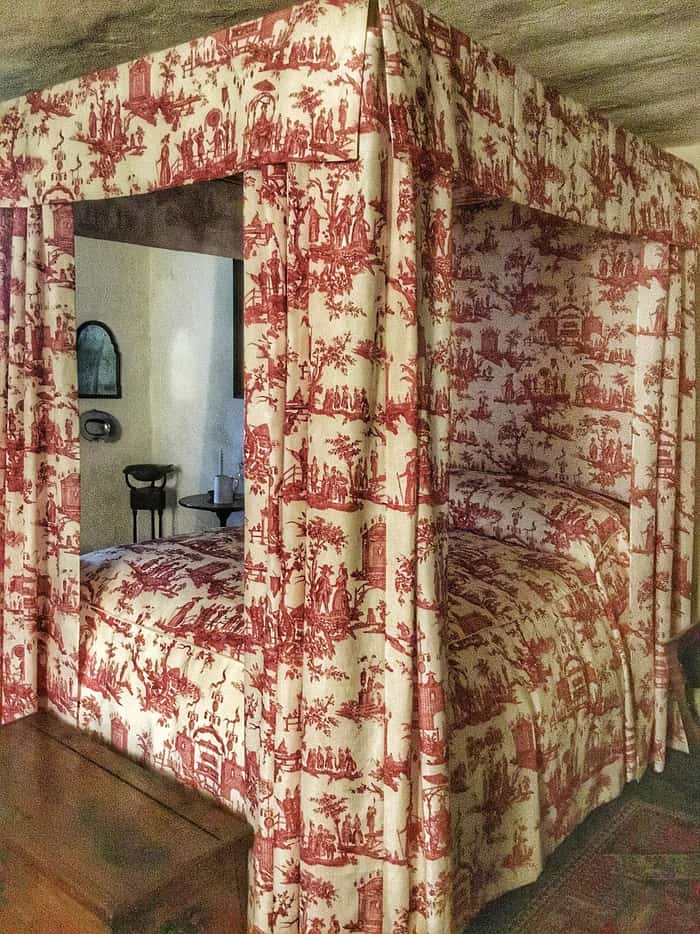
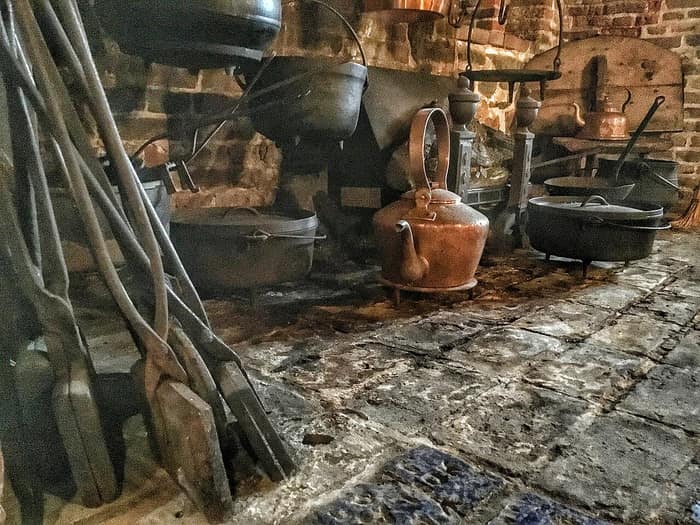
- Inside, restored rooms such as a furnished bedroom and a rustic kitchen with its old hearth give an idea of colonial and Revolutionary-era life.
- The house is also within the Ward’s Point Conservation Area, listed separately on the National Register of Historic Places in 1982, so the park is a good place for a waterfront walk.
- The site is in Tottenville, at the far southern end of Staten Island, so allow generous travel time. Other historic sites on the island, such as the Seguine Mansion and Historic Richmond Town, can be combined on a longer day out.
Opening hours, access and conditions can change. Check before you go.
Map: where Conference House is
Photos of Conference House


Questions
What is Conference House on Staten Island?
It is a stone manor house, also called Billop House, in Conference House Park in Tottenville. It is a National and New York City landmark and the setting of the 1776 Staten Island Peace Conference.
What happened at Conference House in 1776?
On September 11, 1776, Lord Howe met Benjamin Franklin, John Adams and Edward Rutledge there to explore an early end to the Revolutionary War. After about three hours the Americans declined his offer.
Why is it called Conference House?
The name comes from the Staten Island Peace Conference of 1776, hosted in the house by Colonel Christopher Billop. Earlier it was known as Billop House after the family that built it.
Where is Conference House?
It is in the Tottenville neighborhood at the southern end of Staten Island, in Conference House Park near Ward’s Point, the southernmost tip of New York State.
How old is Conference House?
Sources say it was built some time before 1680 by Captain Christopher Billopp, though the exact date is hard to establish. Many sources mention the 1670s.
Can I visit Conference House?
It operates as a historic house within a city park. Opening hours and tours change, so check the current schedule and access rules before you go.
Also nearby

Kreischer House
Kreischer House · Queen Anne mansion of a Staten Island brick family
3.5 km away
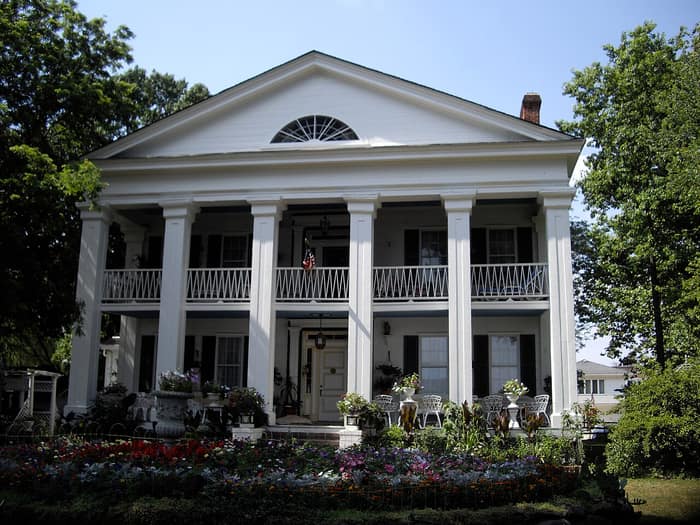
Seguine Mansion
Seguine Mansion · an 1838 Greek Revival house on Lemon Creek
5 km away
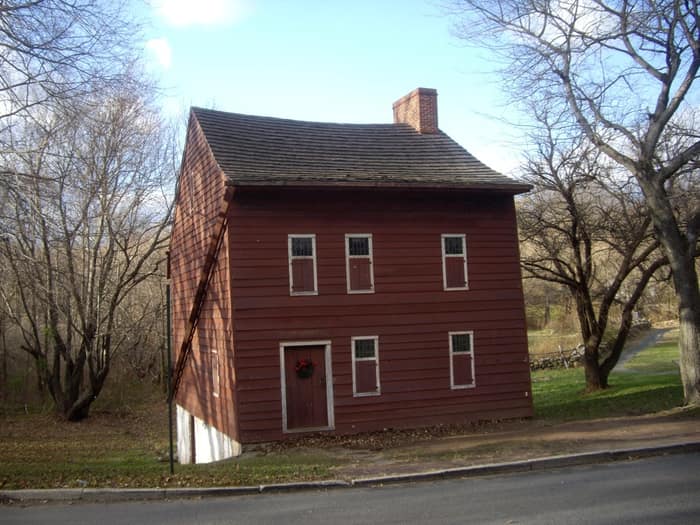
Voorlezer’s House
Voorlezer’s House · Dutch-era “schoolhouse” on Staten Island
12 km away
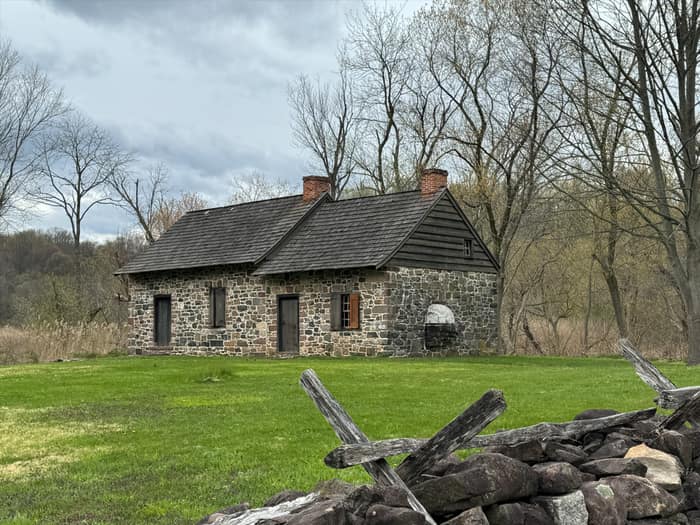
Historic Richmond Town
Historic Richmond Town · a Staten Island village in time
12 km away