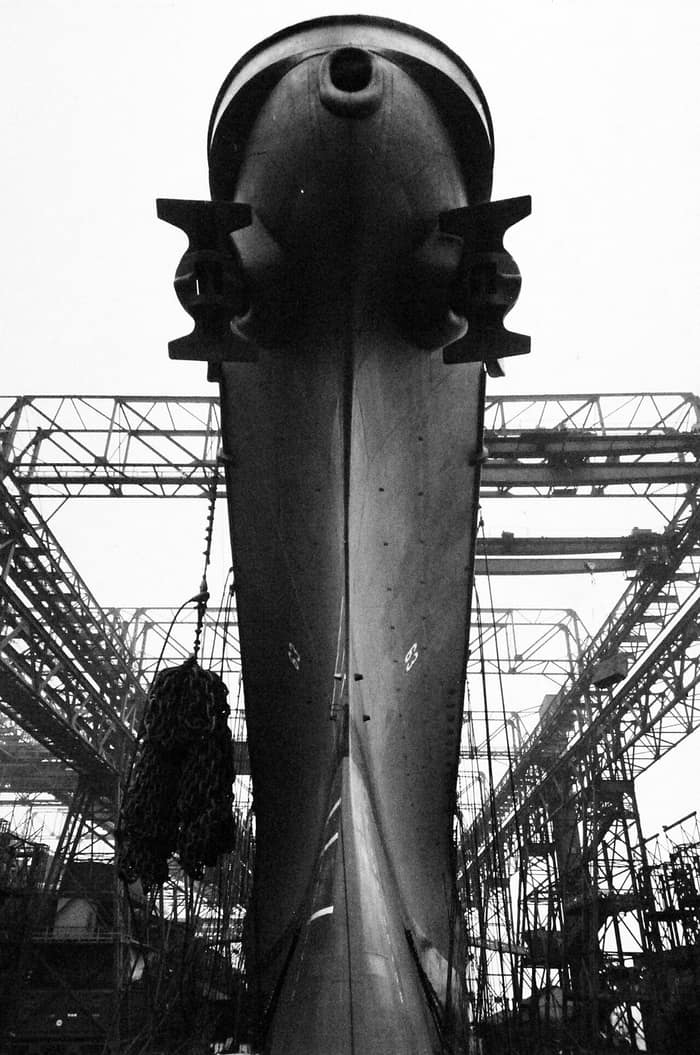
Brooklyn Navy Yard, the Shipyard That Built Battleships on the East River
The Brooklyn Navy Yard is a former U.S. Navy shipyard on the East River in Wallabout Bay, Brooklyn. Founded in 1801, it built and repaired warships for more than 160 years and is now an industrial and commercial complex run by New York City. It is one of the best examples of New York’s working past, an off-the-beaten-path place with a museum, dry docks and historic buildings.
From this Brooklyn shoreline came the battleship Missouri, where Japan surrendered in 1945, and in World War II 75,000 people worked here. Its dry dock 4 was nicknamed the “Hoodoo” dock after quicksand killed 20 workers.
The history of the Brooklyn Navy Yard
Wallabout Bay was a tidal marsh settled by the Canarsie people when the Dutch arrived in the early 17th century. In 1637 the Walloon colonist Joris Jansen Rapelje bought land around the bay, and the name Wallabout comes from “Waal-bocht”, roughly “Walloon’s Bay”. During the American Revolutionary War the British held American prisoners on ships moored here; many died and were buried in trenches nearby, and the Prison Ship Martyrs’ Monument in Fort Greene honors them.
In February 1801 the federal government bought old docks and 40 acres from the shipbuilder John Jackson, part of outgoing president John Adams’s plan for a chain of naval yards. The site sat unused for years under Thomas Jefferson and became an active Navy shipyard in 1806, when its first commandant moved in. The first ship of the line, USS Ohio, was launched in 1820. Matthew C. Perry, who was commandant from 1841 to 1843, founded the Naval Lyceum here in 1833 and supervised the building of the Navy’s first steam warship. Dry Dock 1 was completed in 1851 and is now a New York City landmark.
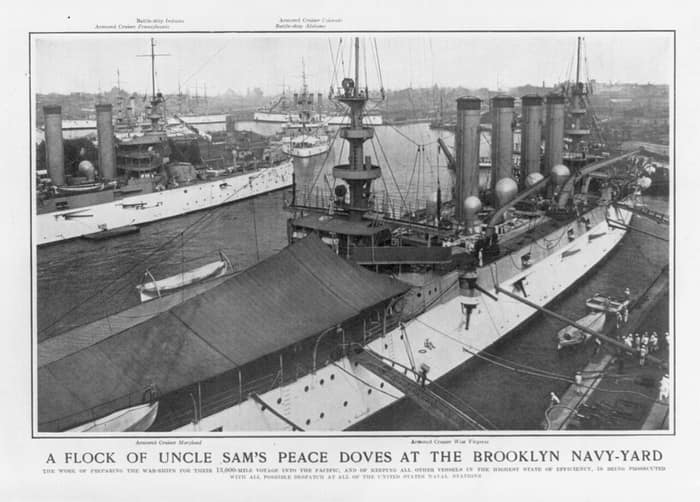
During the Civil War the yard built 14 large vessels and refitted another 416 commercial ships for the Union blockade, and the ironclad Monitor, built in Greenpoint, was commissioned here in February 1862. In the 1890s the battleship Maine was launched here; it was destroyed in Havana harbor in 1898. In the early 20th century the yard launched dreadnoughts such as USS Connecticut, USS Florida and USS Arizona. Building Dry Dock 4 between 1905 and 1913 was troubled by quicksand, which killed 20 workers and injured 400, giving it the nickname “Hoodoo” dock.
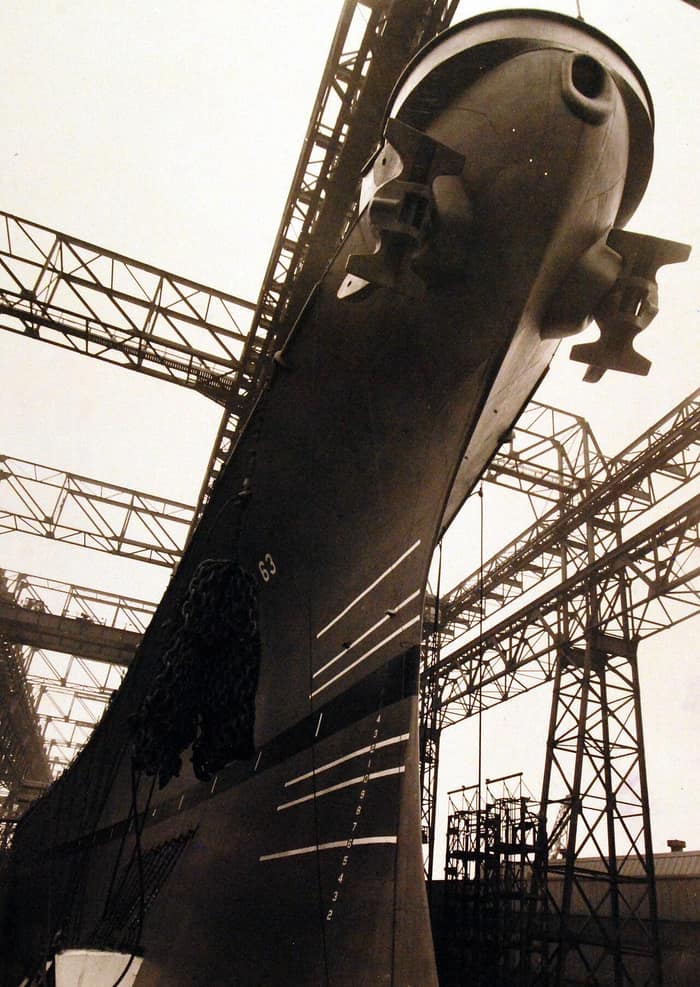
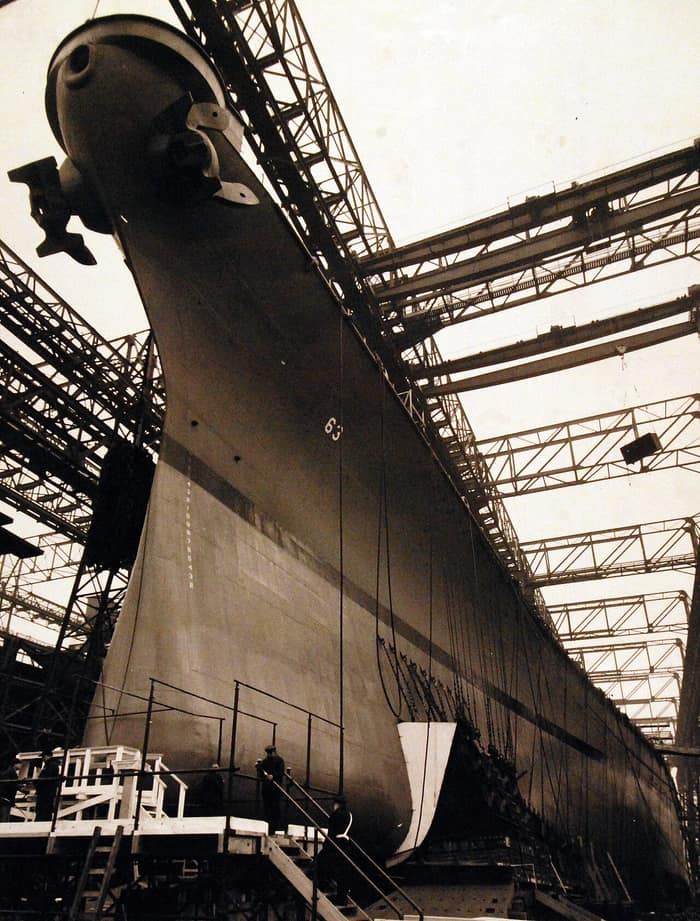
World War II was the peak. The workforce grew from 18,000 in December 1941 to 75,000, working three shifts a day, which earned the yard the nickname “The Can-Do Shipyard”. It built the battleships North Carolina, Iowa and Missouri; Missouri, launched in 1944, was the ship on which Japan surrendered on September 2, 1945. Women, who made up 10 percent of the workforce, and African American workers were hired for skilled jobs that had been closed to them, although most women were let go after the war.
On December 19, 1960, a fire aboard the aircraft carrier Constellation killed 49 people and injured 323. The Defense Department announced the yard’s closure in 1964, and the Navy decommissioned it on June 30, 1966. The city took ownership in 1969 and 1970 and turned the yard into an industrial park. The studio complex Steiner Studios opened here in 2004, the museum in Building 92 in 2011, and the historic Admiral’s Row officers’ houses were torn down in 2016. Today hundreds of businesses work on the former shipyard.
Little-known facts about the Brooklyn Navy Yard
- Its official name until 1945 was the New York Navy Yard, but the public always called it the Brooklyn Navy Yard.
- Dry Dock 4 became known as the “Hoodoo” dock after quicksand killed 20 workers during construction; five private builders abandoned the project before the government finished it.
- Women hired to sew flags, pennants and canvas gunpowder bags in the late 1890s were often widows of soldiers killed in war.
- Wartime construction uncovered a Civil War-era prison brig eight feet underground and a skeleton thought to belong to one of the prison ship martyrs.
- Building 92, now home to the museum, is a former Marine commandant’s residence built in 1857 and designed by Thomas Ustick Walter; its twin, Building 93, was demolished in 1941.
- The yard’s archive holds around 32,000 blueprints, some two centuries old, and the yard has had a full-time archivist.
Visiting the Brooklyn Navy Yard
- The Navy Yard is a working industrial campus with controlled access, not an open park. The easiest way to see it is through the Brooklyn Navy Yard Center at Building 92, which offers exhibits, public tours and archival resources; check the current opening hours and access rules before you go.
- Highlights of the site include dry docks, among them the landmark Dry Dock 1 from 1851, the former hospital buildings and the commandant’s house, known as Quarters A, which stands a short distance away and has its own page on this guide.
- The Navy Yard lies a long way from the nearest subway stations, so plan the walk or a bus or ferry connection.
- Nearby, the Prison Ship Martyrs’ Monument in Fort Greene and the Domino Sugar Refinery are close to the yard and make a good half-day around the Brooklyn waterfront.
- Please treat the former hospital and other fenced areas as closed unless an authorized tour says otherwise.
Opening hours, access and conditions can change. Check before you go.
Map: where Brooklyn Navy Yard is
Photos of Brooklyn Navy Yard
Where to stay near Brooklyn Navy Yard
Hotels close by, with ratings and current availability.
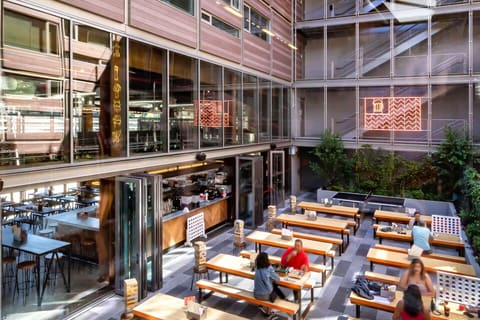
Pod Brooklyn
Check availability ›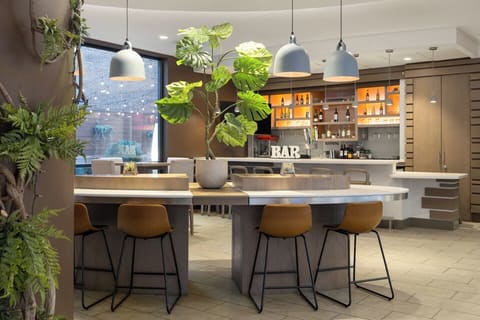
EVEN Hotel Brooklyn by IHG
Check availability ›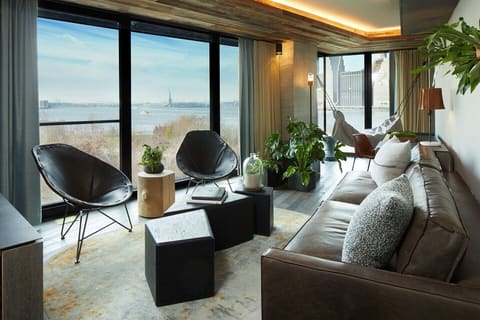
1 Hotel Brooklyn Bridge
Check availability ›Hotel photos: Expedia Group. Ratings are shown as published there. Availability and conditions change; check the booking page. Affiliate links: we may earn a commission at no extra cost to you. All hotels by borough
Questions
What is the Brooklyn Navy Yard?
It is a former U.S. Navy shipyard founded in 1801 in Wallabout Bay, Brooklyn. It built and repaired warships until 1966 and is now an industrial and commercial complex run by New York City.
Can you visit the Brooklyn Navy Yard?
Access to the working campus is controlled. The Brooklyn Navy Yard Center at Building 92 offers exhibits and public tours, so check the current rules and schedules before you go.
What ships were built at the Brooklyn Navy Yard?
Famous ones include USS Maine (launched 1895), the dreadnoughts Connecticut, Florida and Arizona, the battleships North Carolina, Iowa and Missouri, and the aircraft carrier Constellation.
Why is it called the Can-Do Shipyard?
In World War II the yard employed up to 75,000 people on three shifts a day and turned out an enormous number of ships and repairs, so it was nicknamed “The Can-Do Shipyard”.
When did the Brooklyn Navy Yard close?
The Navy decommissioned it on June 30, 1966, after the Defense Department announced the closure in 1964. The city then bought the property and converted it to an industrial park.
What is at the Brooklyn Navy Yard today?
Hundreds of businesses in manufacturing, design and other fields, a large film and television studio complex, a museum at Building 92 and the historic dry docks.
Also nearby
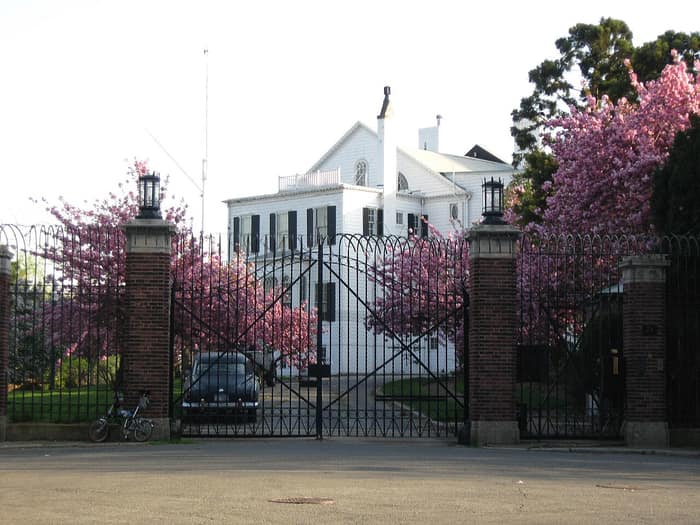
Quarters A, Brooklyn Navy Yard
Quarters A · Commodore Perry’s Federal-style Navy Yard home
600 m away
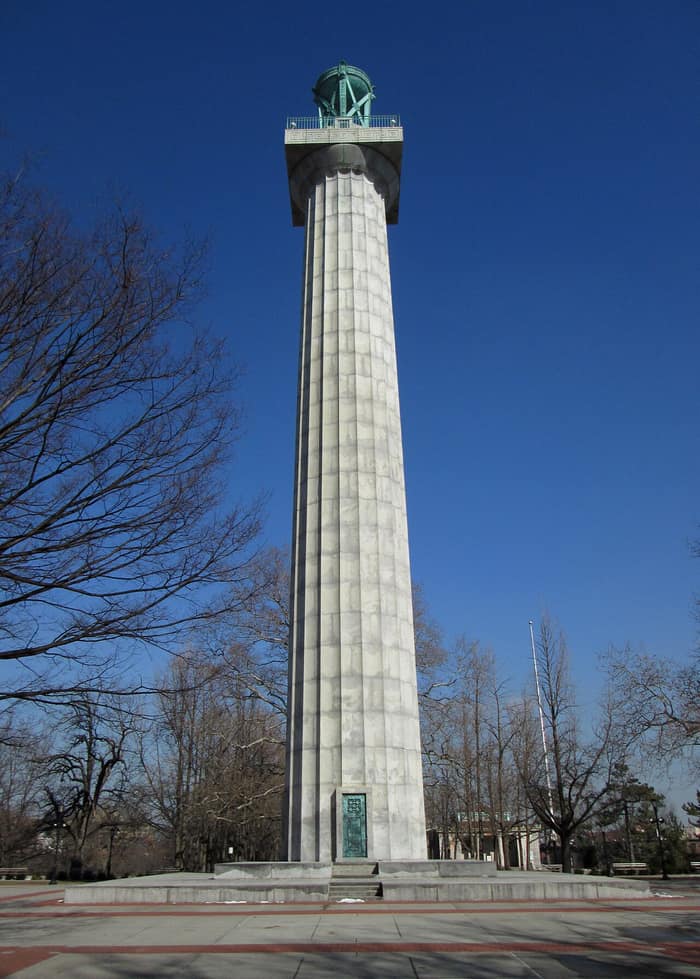
Prison Ship Martyrs’ Monument
Prison Ship Martyrs’ Monument · a giant column above a crypt
1 km away
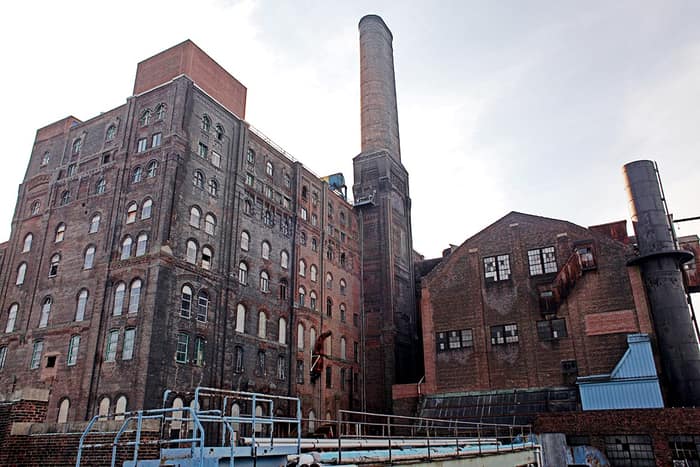
Domino Sugar Refinery
Domino Sugar Refinery · Brooklyn’s landmark sugar giant
1.5 km away
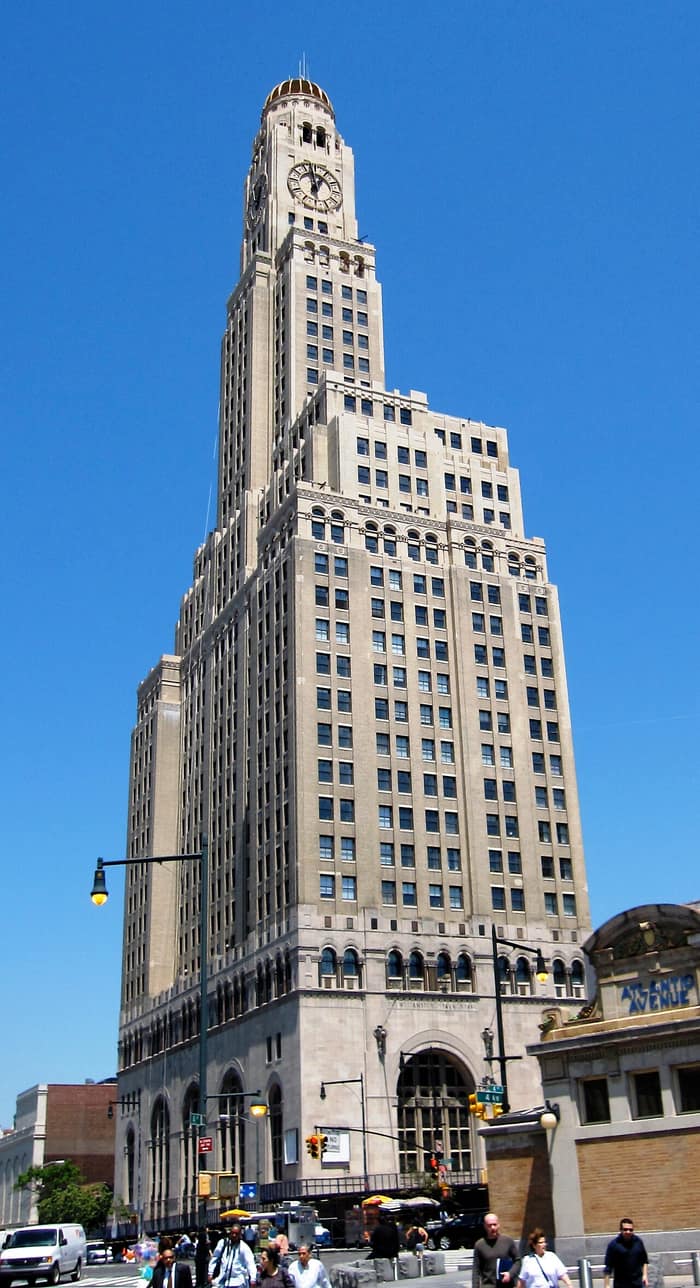
Williamsburgh Savings Bank Tower
Williamsburgh Savings Bank Tower · Brooklyn’s clock tower with a banking hall like a cathedral
2 km away