
Castle Williams, the Round Fort on Governors Island
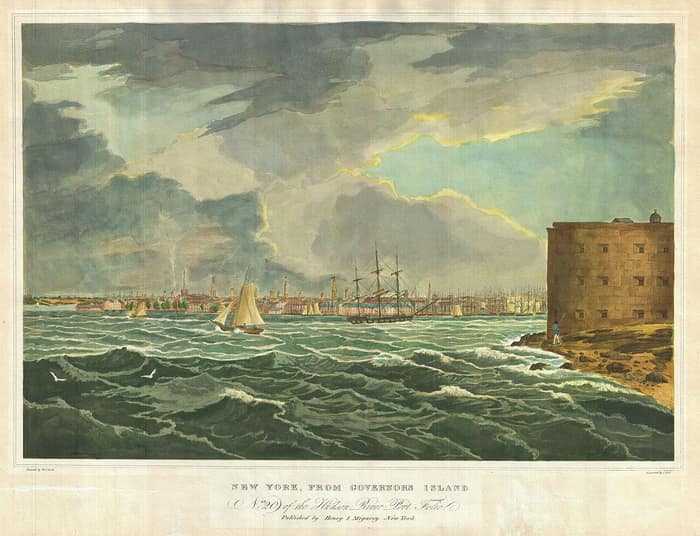
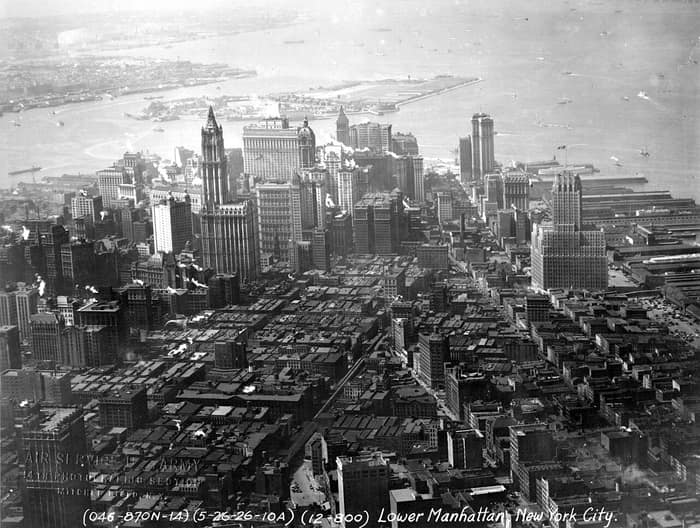
Castle Williams is a circular fortification of red sandstone on the northwest point of Governors Island, in New York Harbor, with Lower Manhattan just across the water. Built between 1807 and 1811, it is a prominent harbor landmark and part of Governors Island National Monument, managed by the National Park Service.
A circular red fort on a harbor island was built to fire on enemy ships, but it spent much of its life as a military prison before becoming a community center.
The history of Castle Williams on Governors Island
Castle Williams was designed and built between 1807 and 1811 under Lieutenant Colonel Jonathan Williams, chief engineer of the Corps of Engineers, first superintendent of the United States Military Academy at West Point and a relative of Benjamin Franklin. It was one piece of a defensive system for the inner harbor that included Fort Columbus, later renamed Fort Jay, and the South Battery on Governors Island, plus Castle Clinton at the tip of Manhattan, Fort Wood on Liberty Island and Fort Gibson on Ellis Island. An army order of November 24, 1810, named the stone tower after its designer.
Its design was pioneering. The nearly circular fort is 40 feet high and 210 feet across, with sandstone walls 7 to 8 feet thick. Each of its four levels had 13 casemates, which are fortified gun rooms, or pairs of gun mounts on the roof, able to hold 26 cannons of varied caliber. The third tier was meant as barracks and was not armed. The design became a prototype for American coastal fortifications for the rest of the 19th century, and only Battery Weed at Fort Wadsworth on Staten Island and Fort Point in San Francisco copied the four-tier layout.
During the Civil War, the casemates housed newly recruited Union troops, served as barracks for the garrison and held Confederate enlisted men and Union deserters. After 1865 it became a low-security military prison that also lodged recruits and troops passing through. By the 1880s its pitted and crumbling walls made it look old and obsolete, but central heating and plumbing were probably added in 1895, when it was named one of the Army’s ten military prisons.
Early in the 20th century, as landfill doubled the size of Governors Island between 1901 and 1912, Secretary of War Elihu Root committed to preserving the island’s forts. The castle was fitted up as a model prison in 1903, probably wired for electricity in 1904, and given a two-story guardhouse in 1912–13. It became the Atlantic Branch of the Fort Leavenworth Disciplinary Barracks in 1915 and the Eastern Branch of the United States Disciplinary Barracks in 1921. Steel-reinforced floors and solitary confinement cells came in the 1930s, and major renovations in 1947–48 gave the courtyard an industrial look. It stopped being a military prison in 1965, when the Army closed its post at Fort Jay.
The Coast Guard arrived in 1966 and at first considered demolishing the castle. Instead it became a community center with a nursery, meeting rooms for scouts and clubs, a woodworking shop, art studios, a photography lab and a museum. After those functions moved elsewhere in the mid-1970s, it served as a storage facility and landscape shop. When the Coast Guard base closed in 1997, the building was stabilized with a new roof and repairs. In 2003 Castle Williams and Fort Jay passed to the National Park Service as part of Governors Island National Monument, and the castle is listed on the National Register of Historic Places.
Little-known facts about Castle Williams
- It was named by an army order in 1810 for Jonathan Williams, its designer, who was also the first superintendent of West Point.
- Its four-tier layout was copied only twice in the United States, at Battery Weed on Staten Island and at Fort Point in San Francisco.
- The third tier was designed as barracks rather than as a gun level, so it was never armed.
- In 1915 the castle became part of the Army’s disciplinary barracks system, first as the Atlantic Branch of the Fort Leavenworth Disciplinary Barracks.
- Landfill between 1901 and 1912 doubled the size of Governors Island, and that is when the preservation of its forts was promised.
- After the Army left, the Coast Guard turned the fort into a community center with a nursery, art studios and a museum.
Tours near Castle Williams
Experiences in the area that you can book online with Viator:

Visiting Castle Williams on Governors Island
- Castle Williams and Fort Jay are managed together by the National Park Service as Governors Island National Monument. Check the current rules on access to the interior before you go.
- Governors Island is separate from Manhattan and Brooklyn and is reached by boat, so confirm the ferry service and the island’s opening rules before planning your trip.
- The fort is easy to appreciate from the outside, where its curved red sandstone walls stand beside the island’s waterfront paths, which bicyclists use.
- Views from the island look out over New York Harbor and toward Lower Manhattan.
- Because the fort is a historic landmark, follow any signs and rules about areas that are closed.
Opening hours, access and conditions can change. Check before you go.
Map: where Castle Williams is
Photos of Castle Williams


Questions
What is Castle Williams on Governors Island?
It is a circular red sandstone fort built between 1807 and 1811 to protect New York Harbor. It later served as a military prison, and today it is part of Governors Island National Monument.
Who built Castle Williams?
It was designed and built under Lieutenant Colonel Jonathan Williams, chief of the Corps of Engineers and first superintendent of West Point.
Was Castle Williams a prison?
Yes. It held Confederate prisoners and Union deserters in the Civil War and was a military prison from 1865 until 1965.
Can I visit Castle Williams?
It is part of a national monument managed by the National Park Service. Check the current access rules for the fort and the island before you go.
How do I get to Castle Williams?
It stands on Governors Island, which is reached by boat. Check the current ferry service and island rules before you plan your trip.
What happened to Castle Williams after the Army left?
The Coast Guard used it as a community center and then as storage; in 2003 it passed to the National Park Service.
Also nearby
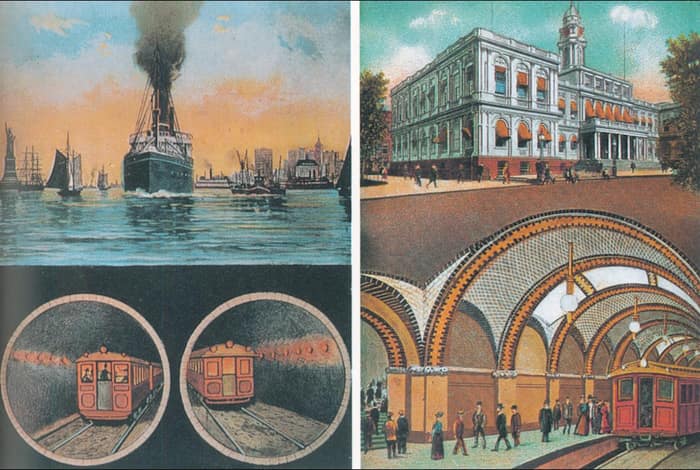
Joralemon Street Tunnel
Joralemon Street Tunnel · the 1908 subway tubes from Manhattan to Brooklyn
1 km away
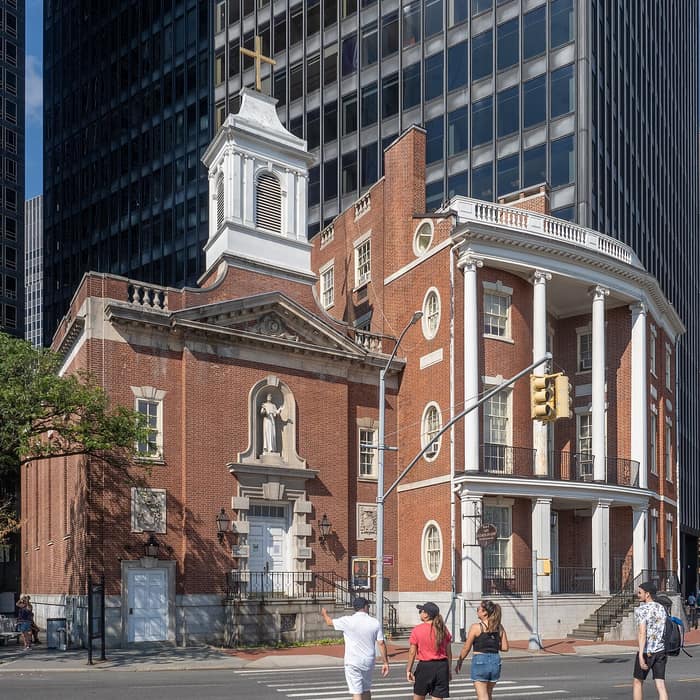
James Watson House
James Watson House · a 1793 mansion facing Battery Park
1 km away

Trinity Church Cemetery
Trinity Church Cemetery · Hamilton’s grave beside Wall Street
2 km away
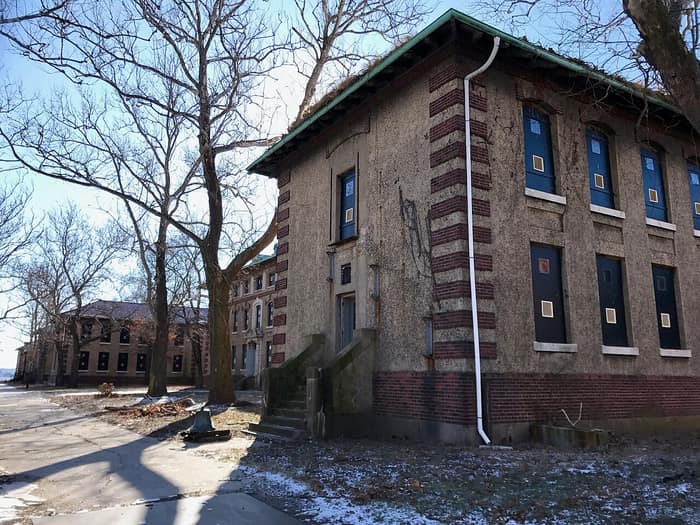
Ellis Island Hospital
Ellis Island Hospital · the abandoned medical side of Ellis Island
2 km away