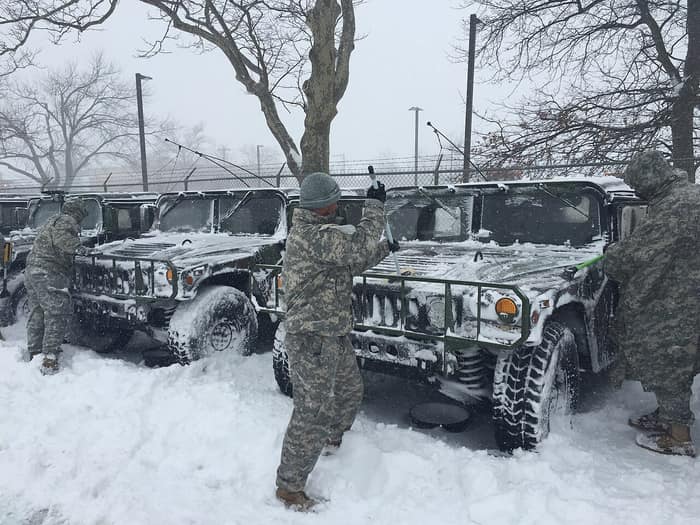
Fort Hamilton, the Narrows Fort Where Robert E. Lee Served
Fort Hamilton is a United States Army installation at the southwestern corner of Brooklyn, between Bay Ridge and Dyker Heights, beside the Narrows that guard New York Harbor. Its original stone fort dates from 1831, and about half of it still survives. It is the only active-duty Department of Defense post in New York City, which makes it a rare mix of living base and military history.
Robert E. Lee, Stonewall Jackson and Abner Doubleday all served at this Brooklyn fort, which is still an active Army post and keeps a harbor defense museum inside a caponier.
The history of Fort Hamilton, guardian of the Narrows
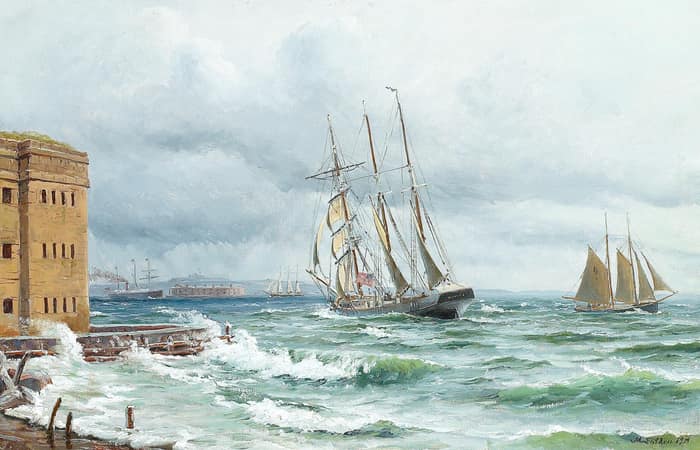
Military use of the site began early. On July 4, 1776, a small American battery known as the Narrows Fort fired on the British ship HMS Asia, part of a fleet escorting troops, and the British soon took New York after the Battle of Long Island. The War of 1812 showed how important coastal defense was and led to a new round of forts, later called the third system of American seacoast forts. Simon Bernard, a French military engineer who had served under Napoleon, set the cornerstone on June 11, 1825. Six and a half years and half a million dollars later, the fort was ready for its first garrison. It was designed mainly to defend Fort Lafayette, offshore on Hendrick’s Reef, from a land attack, and it had two tiers of cannon, loopholes for muskets and a dry ditch guarded by a caponier.
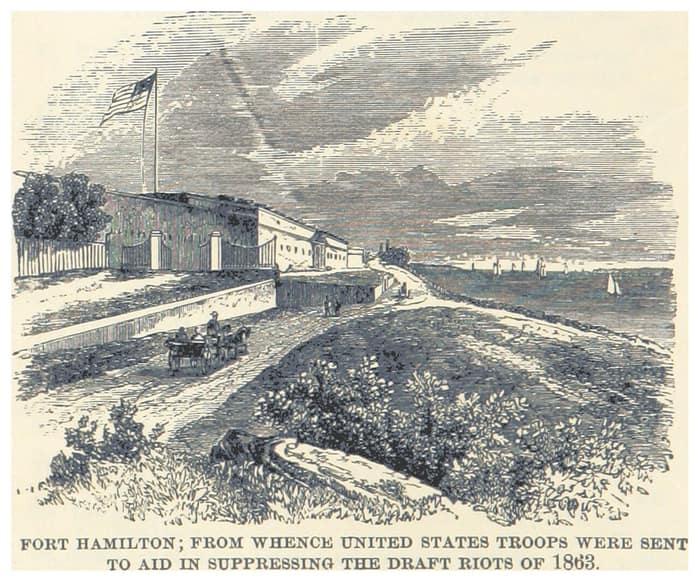
The name Fort Hamilton appears as early as 1826, though it was not officially tied to Alexander Hamilton until the 20th century. In 1839 the New York State militia’s 27th Regiment received permission to drill here, making it the nation’s first National Guard training camp. Robert E. Lee, then a captain of engineers, was post engineer from 1841 to 1846, Thomas “Stonewall” Jackson served here from 1848 to 1850, and Abner Doubleday was post commander in 1861. During the Civil War a ship barrier across the Narrows helped protect the harbor, troops from the forts helped put down the 1863 New York Draft Riots, and Fort Hamilton also served as a prisoner-of-war camp.
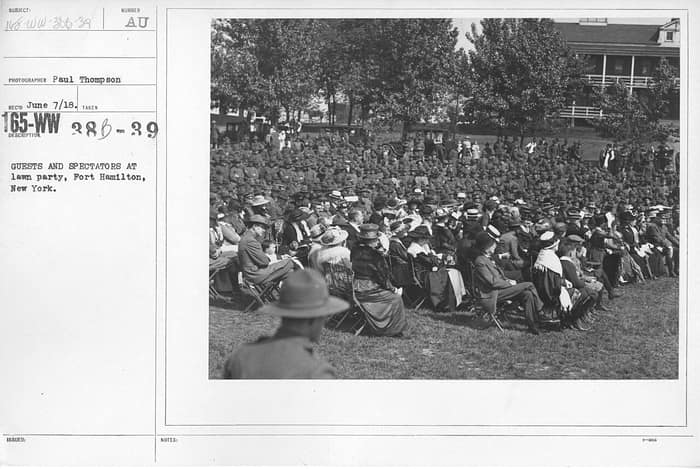
Rifled cannon made the old masonry forts obsolete. After the 1885 Endicott Board, more than half of the old fort was demolished to make room for concrete gun batteries, completed between 1898 and 1905. In World War I the fort filled with recruits and draftees, and several of its guns were removed for possible use elsewhere. In World War II it served mainly as a mobilization center. The last coast defense gun was removed in 1948, and in the late 1950s and early 1960s the unused batteries were demolished or buried to build the Verrazzano-Narrows Bridge and the Belt Parkway. The bridge also replaced Fort Lafayette, whose site lies under the Brooklyn tower.
Today the post supports the Army National Guard and Army Reserve in the metropolitan area and hosts recruiting and engineer offices. The original fort later became an officers’ club and now houses the Community Club. Its caponier holds the Harbor Defense Museum. The Robert E. Lee House and Colonels’ Row, six historic townhouses once used by senior officers, are among the buildings listed on the National Register of Historic Places.
Little-known facts about Fort Hamilton
- A Civil War-era experimental 20-inch Rodman gun, one of two that remain and the largest gun made by either side in the war, stands in John Paul Jones Park next to the fort.
- The fort’s caponier, a small fortified projection that guarded the ditch and is rare in American forts, now houses the Harbor Defense Museum.
- Robert E. Lee, Thomas “Stonewall” Jackson and Abner Doubleday, who had served at Fort Sumter before the Civil War, all served here at different times.
- In 1839 the 27th Regiment of New York State received permission to drill here, which is why Fort Hamilton is considered the nation’s first National Guard training camp.
- In the 1960s the United States Army Chaplain School moved here from Fort Slocum, and hundreds of chaplains and assistants trained at the post before it moved to Fort Wadsworth.
- The fort was designed to protect its offshore sister Fort Lafayette from a land attack. That fort was demolished and the Verrazzano-Narrows Bridge tower now stands on its site.
Visiting Fort Hamilton: what to know about access
- Fort Hamilton is an active U.S. Army post, not an open park. Access is restricted and controlled, so check the current rules and visitor requirements before you plan a visit.
- The Harbor Defense Museum is inside the historic caponier. Confirm whether and how visitors can reach it, as entry depends on the access rules of the post.
- The Robert E. Lee House, Colonels’ Row and the original fort are on the post, so from the public streets around the base you may see little of them.
- The 20-inch Rodman gun stands in John Paul Jones Park, immediately north of the fort, which is a place to see a Civil War weapon without entering the base.
- The surrounding neighborhoods are Bay Ridge and Dyker Heights, and the Verrazzano-Narrows Bridge is nearby.
Opening hours, access and conditions can change. Check before you go.
Map: where Fort Hamilton is
Photos of Fort Hamilton

Questions
What is Fort Hamilton in Brooklyn?
It is a United States Army installation in southwestern Brooklyn, built with a stone fort completed in 1831 to guard the Narrows. It is the only active-duty Department of Defense post in New York City.
Can you visit Fort Hamilton?
Access is restricted because it is an active military post. Check the current rules for visitors and for the Harbor Defense Museum before you go.
Who served at Fort Hamilton?
Among them were Robert E. Lee, post engineer from 1841 to 1846, Thomas “Stonewall” Jackson from 1848 to 1850 and Abner Doubleday, post commander in 1861.
What is the Harbor Defense Museum?
It is a museum inside the fort’s caponier, the small fortified structure that once guarded the main gate, which presents the military heritage of the Narrows and New York Harbor.
What happened to Fort Lafayette?
It was an island fort offshore from Fort Hamilton and was demolished around 1960. The Brooklyn tower of the Verrazzano-Narrows Bridge now stands on its site.
Where is the large Civil War cannon?
A 20-inch Rodman gun stands in John Paul Jones Park, immediately north of the fort. It is one of two remaining and the largest gun produced by either side in the Civil War.
Also nearby
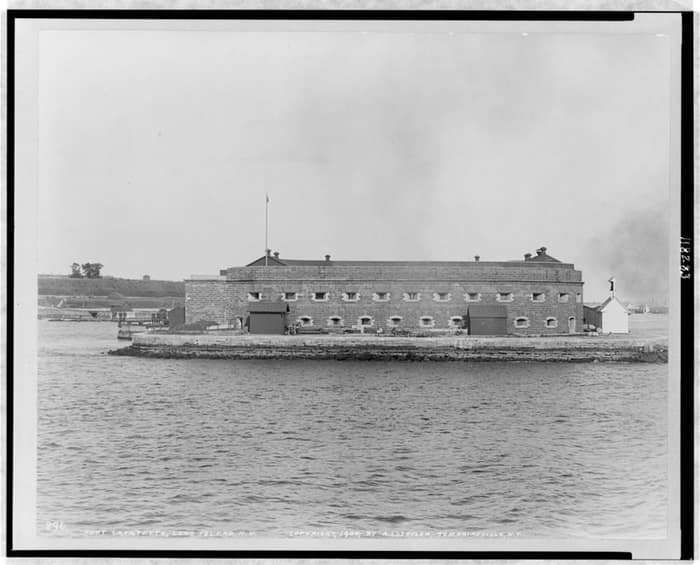
Fort Lafayette
Fort Lafayette · lost island prison fort beneath the bridge
700 m away
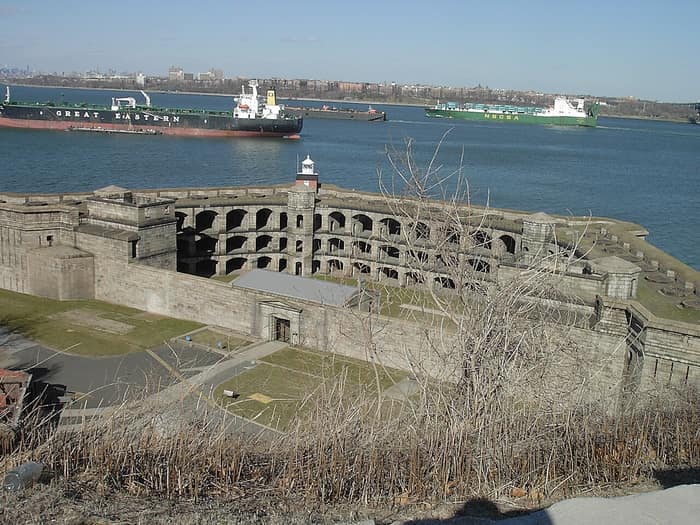
Fort Wadsworth
Fort Wadsworth · Staten Island’s harbor fortress on The Narrows
2 km away

Battery Weed
Battery Weed · a four-tier stone fort at the Narrows on Staten Island
2 km away
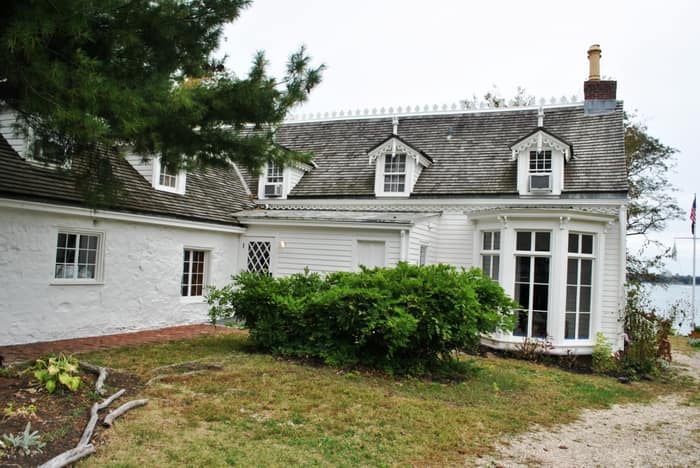
Alice Austen House
Alice Austen House · Dutch colonial home and photography museum
3 km away