Long Island Motor Parkway, America’s First Road Built Only for Cars
The Long Island Motor Parkway, also known as the Vanderbilt Parkway or Motor Parkway, was a privately built toll road that opened on October 10, 1908. It was the first highway designed exclusively for automobiles. In Queens, a long stretch survives as a green, car-free bicycle and walking trail between Cunningham Park and Alley Pond Park, an easy hidden gem for anyone curious about early motoring.
A millionaire racing fan built a private concrete road with bridges and banked curves so cars could race without crossing traffic. Part of it is now a quiet bike path through Queens parks.
The history of the Long Island Motor Parkway, from race road to bike trail
William Kissam Vanderbilt II, a great-grandson of Cornelius Vanderbilt, loved auto racing. In 1904 he created the Vanderbilt Cup, the first major road-racing competition in the United States, and ran it on local roads in Nassau County. But the deaths of two spectators and injuries to many others showed that racing on residential streets was dangerous. Vanderbilt answered by setting up a company to build a road just for cars, graded, banked and separated from other traffic, and free of the horse-manure dust that cars used to churn up.
The parkway had banked turns, guard rails, a reinforced concrete roadbed and bridges and overpasses to avoid most intersections. It was the first road designed exclusively for automobiles, the first concrete highway in the United States and the first to use overpasses to remove crossings. Work began in June 1908, and a section reaching modern Bethpage opened on October 10, 1908. The plan called for 70 miles (110 km) as far as Riverhead, but only 45 miles (72 km) were built, from Queens to Lake Ronkonkoma, with the extension to Ronkonkoma finished by 1911.
Racing used the road in 1908, 1909 and 1910, and the American Automobile Association held four Champ Car races on it. A crowd estimated at 300,000 people came to the races of October 10, 1910. That year an accident killed two riding mechanics, and the New York Legislature banned racing except on race tracks, ending the parkway’s career as a racing road. It continued as a toll road, with toll houses designed by the architect John Russell Pope that included living quarters for the collectors.
Road design advanced quickly in the 1920s, and the narrow road, between 16 and 22 feet wide, with steep bridges, was obsolete less than 20 years after it opened. Robert Moses, then planning the Northern State Parkway, called it a white elephant and opposed buying it. The completion of the Northern State Parkway signaled its end. In 1937 the Suffolk County portion was donated to Suffolk County, and in July 1938 the rest was given to Nassau County and the Long Island State Parks Commission, after the state had taken it over in place of back taxes.
Many pieces remain. In Queens the path runs through Cunningham Park and Alley Pond Park as part of the Brooklyn–Queens Greenway, with old bridges over streets. Farther east some sections became roads or power line corridors, and in Suffolk County the route survives as Vanderbilt Motor Parkway, a county road. The parkway celebrated its centennial in 2008, and a parade of cars made before 1948 followed it from Dix Hills to Lake Ronkonkoma in 2011.
Little-known facts about the Long Island Motor Parkway
- It was the first road in the world designed exclusively for automobiles and the first concrete highway in the United States.
- It was not a modern freeway: traffic could turn left across oncoming vehicles at the connector roads, and access was through a small number of toll booths.
- The first six toll houses were designed by John Russell Pope, who also designed the Jefferson Memorial, and they had living space so tolls could be collected at all hours.
- The best-known surviving toll house, once in Garden City at Clinton Road and Vanderbilt Court, was moved in 1989 and is now the headquarters of the local Chamber of Commerce.
- The road was planned for 70 miles to Riverhead, but only 45 miles were built.
- Robert Moses opposed taking over the road, calling it a white elephant, and the state finally took it over in 1938 in lieu of back taxes.
Tours near Long Island Motor Parkway
Experiences in the area that you can book online with Viator:


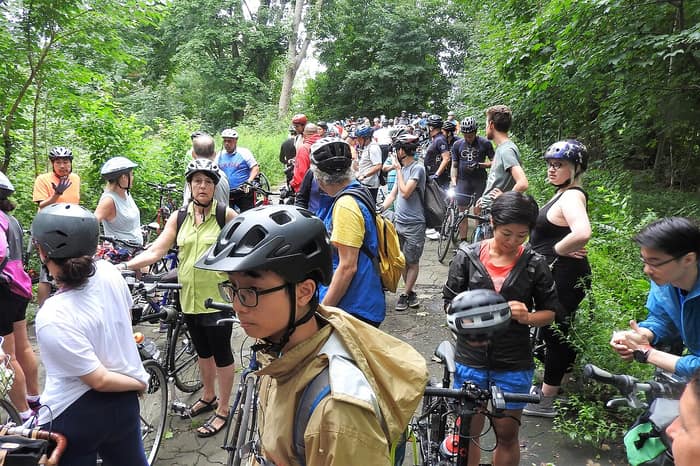
Walking and cycling the Long Island Motor Parkway in Queens
- The Queens trail starts at Francis Lewis Boulevard in Cunningham Park and runs south parallel to 199th Street, crossing bridges over 73rd Avenue and Francis Lewis Boulevard.
- It then passes under the Clearview Expressway through a tunnel, crosses Hollis Hills Terrace, Bell Boulevard and Springfield Boulevard on bridges, and has access points at 209th, 210th and 220th Streets.
- At Cloverdale Boulevard the main greenway turns north, while a spur continues into Alley Pond Park, passes under the Grand Central Parkway and ends at Union Turnpike and Winchester Boulevard.
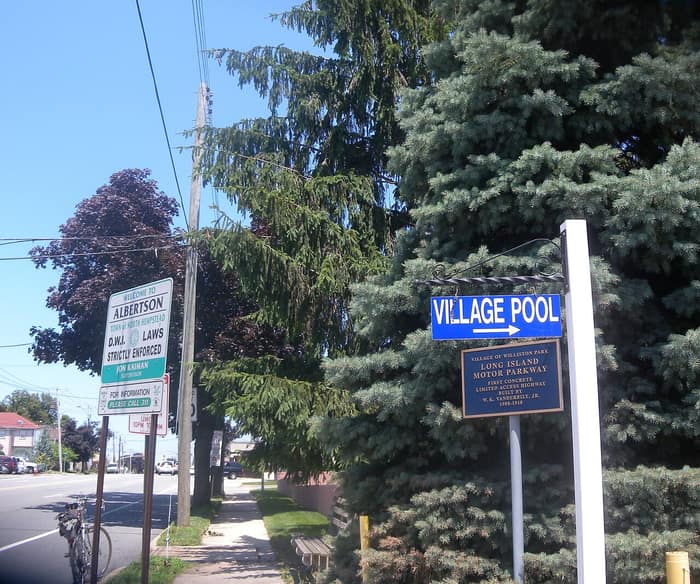
- East of Queens, a short section in Lake Success is unmarked and not open to the public, and another is visible near Willis Avenue between Albertson and Williston Park. Respect private property.
- Nearby sites on this list include the Loew’s Valencia Theatre, Prospect Cemetery and Fort Totten. Check current trail conditions before you go.
Opening hours, access and conditions can change. Check before you go.
Map: where Long Island Motor Parkway is
Photos of Long Island Motor Parkway

Questions
What was the Long Island Motor Parkway?
It was a private toll road built by William K. Vanderbilt II that opened in 1908. It was the first highway designed exclusively for cars and used bridges to avoid most intersections.
Can you walk or bike on the Long Island Motor Parkway today?
Yes, in Queens a long stretch is a trail from Cunningham Park to Alley Pond Park, part of the Brooklyn–Queens Greenway. Check current conditions before you go.
Why did the Long Island Motor Parkway close?
Road design advances in the 1920s made it obsolete, and new roads such as the Northern State Parkway replaced it. It closed in 1938 when the state took it over in lieu of back taxes.
Who built the Long Island Motor Parkway?
William Kissam Vanderbilt II, an auto-racing fan who also created the Vanderbilt Cup race in 1904, built it with a private company.
Where is the Long Island Motor Parkway in Queens?
The surviving Queens trail runs through Cunningham Park, Hollis Hills and Alley Pond Park, passing near Bell Boulevard and Springfield Boulevard.
Is any of the original parkway still a road?
Yes, in Suffolk County it survives as Vanderbilt Motor Parkway, a county road running from Dix Hills to Ronkonkoma.
Also nearby
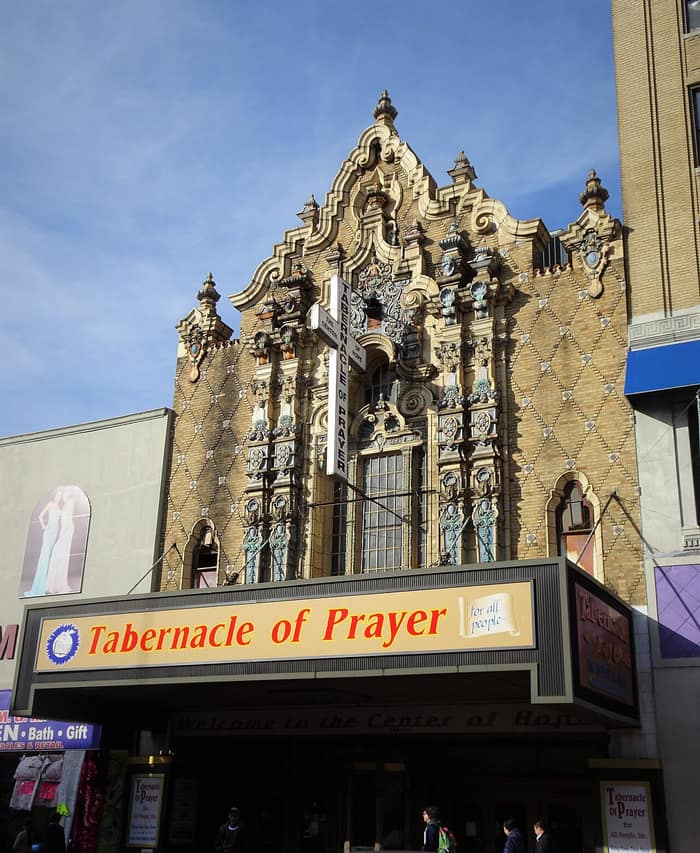
Loew’s Valencia Theatre
Loew’s Valencia Theatre · atmospheric movie palace turned church
4.5 km away
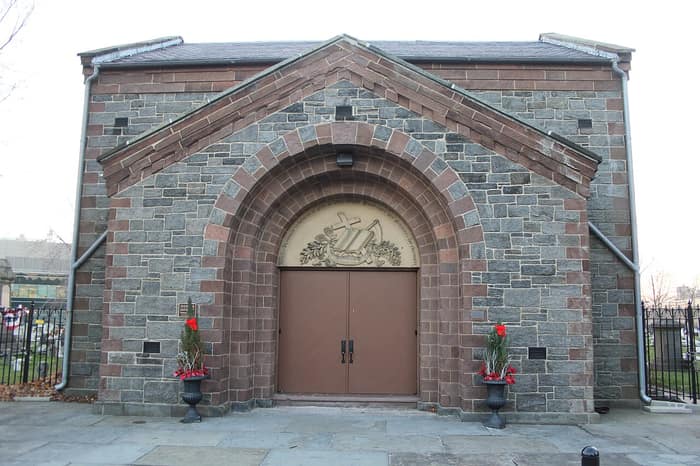
Prospect Cemetery
Prospect Cemetery · a colonial graveyard in Jamaica, Queens
5 km away
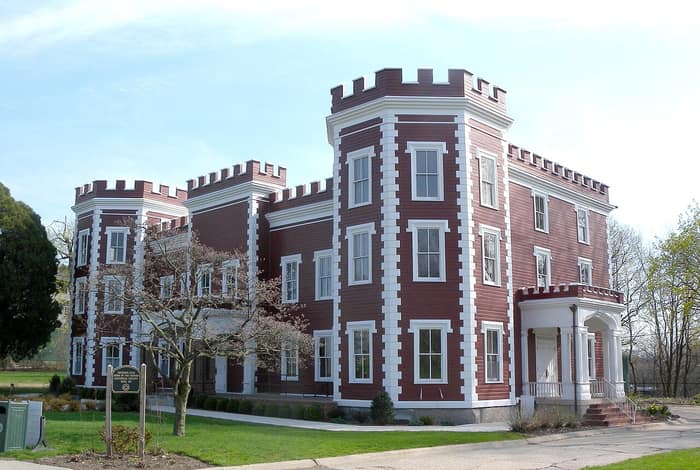
Fort Totten
Fort Totten · unfinished fort, neo-Gothic Castle and bay views
6.5 km away
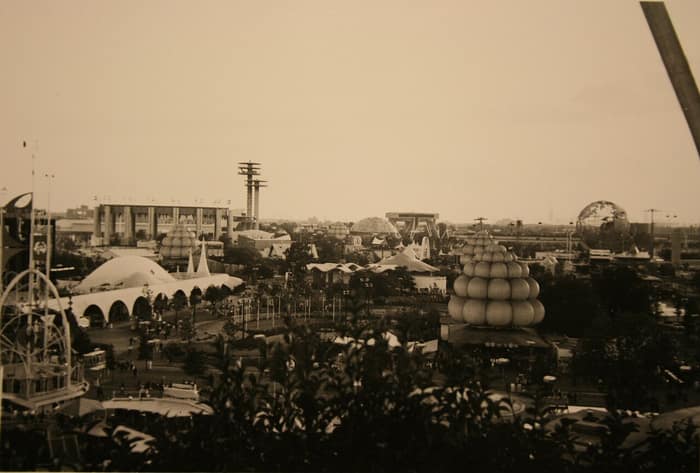
New York State Pavilion
New York State Pavilion · World’s Fair towers and Tent of Tomorrow
7 km away