
Westbeth Artists Community, the Bell Labs Block Where Artists Live
Westbeth Artists Community fills a full city block in Manhattan’s West Village, where Bell Laboratories once ran one of the world’s great research centers. Converted in 1968–1970, it provides affordable living and working space for artists and arts groups. It is one of the most original off the beaten path stops in Greenwich Village for anyone curious about New York’s creative history.
The transistor and early television were developed inside this West Village block, which has been home to dancers, poets and musicians since 1970. It is a private residence, but its arts spaces welcome the public.
The history of Westbeth, from Bell Labs to artists’ housing
The block bounded by West, Bethune, Washington and Bank Streets in the West Village was for decades a research campus. Bell Laboratories used the complex from 1898 until 1966, and it is described as one of the world’s most important industrial research centers. Inventions linked to the Bell Labs building include the vacuum tube, the condenser microphone, an early version of television and the transistor.
In 1966 Bell Labs moved to Summit, New Jersey, and put the New York site up for sale. The complex was vacated in the mid-1960s and stayed empty until later in that decade. The J.M. Kaplan Fund bought it, and with that seed money and encouragement from the National Council on the Arts, which later became the National Endowment for the Arts, the developer Dixon Bain began turning its 13 buildings into residence-studio space for 384 artists of all disciplines. The project was the first significant public commission of the architect Richard Meier. The conversion ran from 1968 to 1970, and Westbeth opened in 1970. It is among the first examples in the United States of adaptive reuse, meaning the conversion of old industrial buildings to new uses, for artistic and residential purposes. The name combines West and Bethune, two of the streets around the block.
Artists of every discipline are admitted as tenants after a review by a committee of resident artists in their field, and they must also meet income requirements. Besides apartments, the complex has commercial space, performance spaces, rehearsal rooms and studios. Over the years it has housed the New School for Drama, the LAByrinth Theater Company, the Martha Graham Center of Contemporary Dance and Congregation Beit Simchat Torah, described as the first LGBT synagogue in New York. The choreographer Merce Cunningham kept his studio and offices here for more than 40 years, from 1971 until his death and the end of his dance company in 2012. The photographer Diane Arbus was a resident, and her death in 1971 shook the young community. The poet Muriel Rukeyser and the jazz arranger Gil Evans also lived here.
By 2009 most tenants were elderly, many of them original residents, and children of tenants may take over a parent’s apartment, which makes Westbeth a multigenerational community. The residential waiting list was closed in 2007 and reopened on March 18, 2019. Recognition followed: the complex was added to the National Register of Historic Places on December 8, 2009, even though it did not meet the usual 50-year rule, and New York City’s Landmarks Preservation Commission designated it a city landmark on October 25, 2011. A community art space opened in 2024, and a renovation completed in February 2025 freed up 32 apartments.
Little-known facts about Westbeth
- Westbeth’s name is a blend of West and Bethune, two of the streets that frame the block.
- The Bell Labs building was home to many inventions, including the vacuum tube, the condenser microphone, an early version of television and the transistor.
- Congregation Beit Simchat Torah, based here, is described as the first LGBT synagogue in New York and the largest in the world, with more than 800 members.
- Westbeth was placed on the State and National Registers of Historic Places even though it did not meet the general rule that sites be at least 50 years old; the state board approved it unanimously.
- The Westbeth Playwrights Feminist Collective, one of the first feminist theater groups in the country, began here.
- Tenants’ volunteers have held an annual Westbeth flea market since 1984, to raise money for the neighborhood, local charities and disaster relief.
Tours near Westbeth Artists Community
Experiences in the area that you can book online with Viator:


Visiting Westbeth Artists Community
- Westbeth is a residential complex, so apartments and private studios are not open to visitors. The exterior of the full block can be seen from the surrounding streets.
- The tenants’ council organizes readings, performances and film screenings in the Westbeth Community Performance Space and runs the Westbeth Art Gallery, which shows work by resident and non-resident artists. The complex also has the 83-seat Bank Street Theatre. Programs change, so check the current events and access rules before you go.
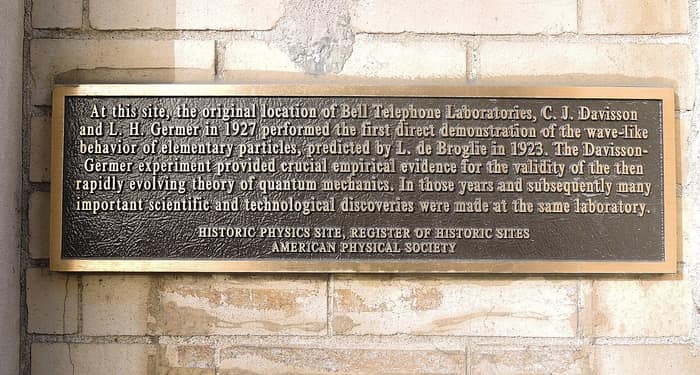
- Look for the Bell Labs plaque near one of the doors, a reminder of the laboratories that once filled these buildings.
- The block sits in the Far West Village, a part of Greenwich Village that was also covered by landmark protections, and it makes an easy stop on a walk through the neighborhood.
Opening hours, access and conditions can change. Check before you go.
Map: where Westbeth Artists Community is
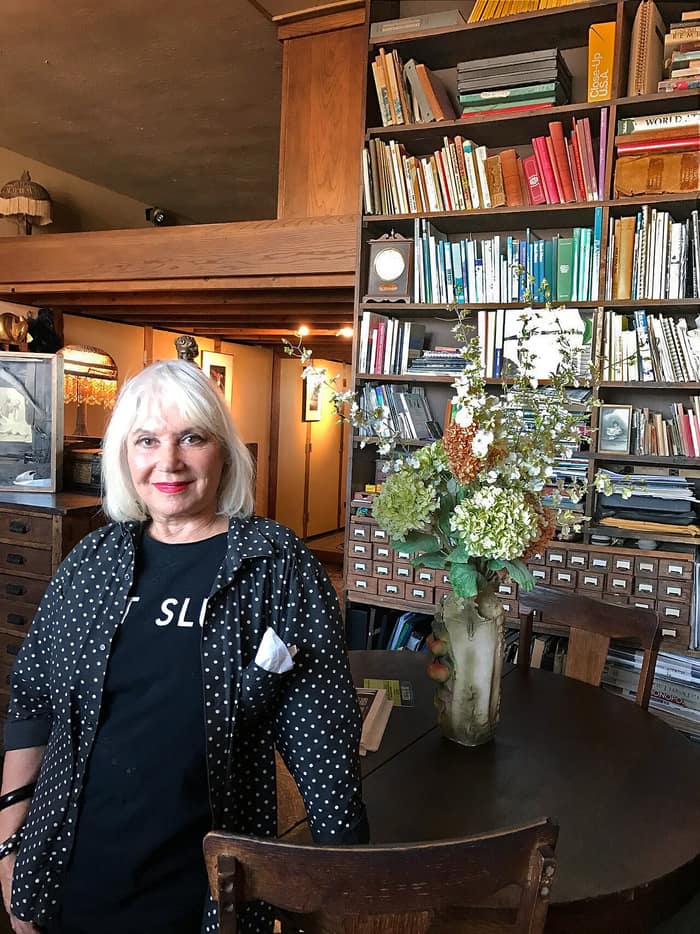
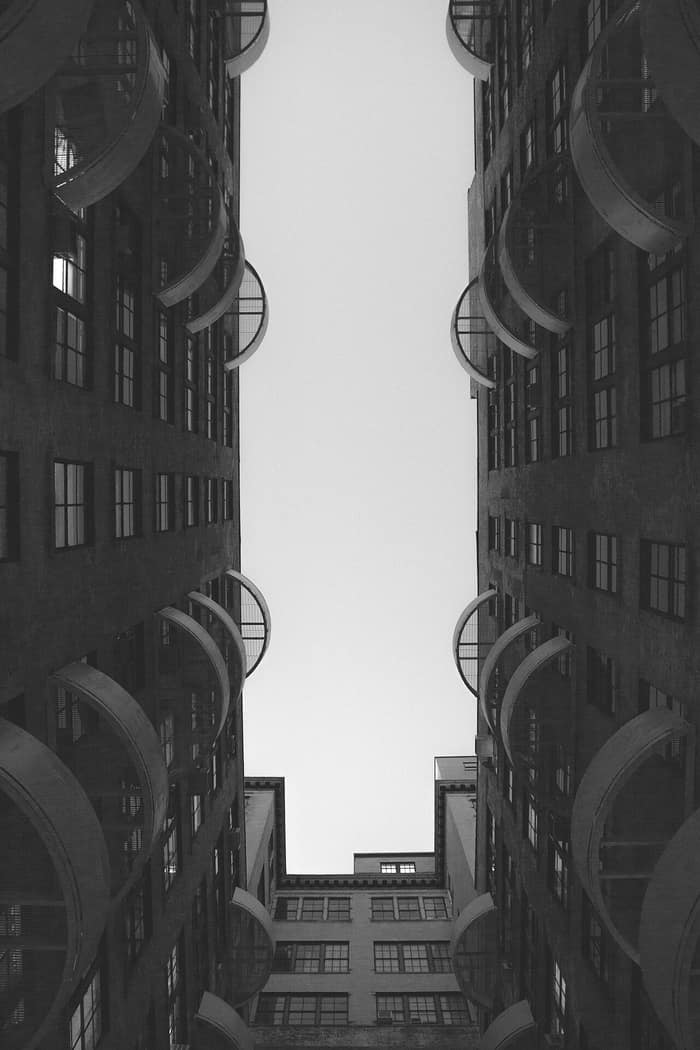
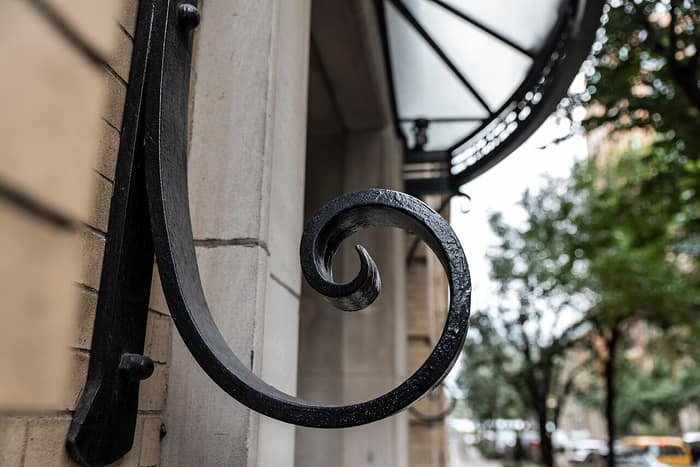
Photos of Westbeth Artists Community
Where to stay near Westbeth Artists Community
Hotels close by, with ratings and current availability.
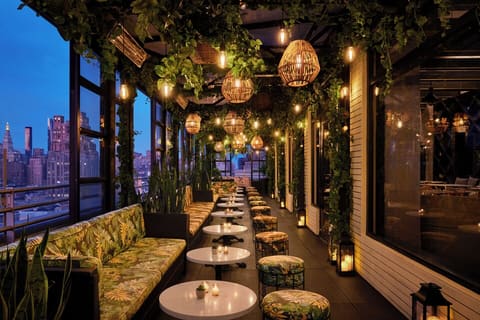
Gansevoort Meatpacking NYC
Check availability ›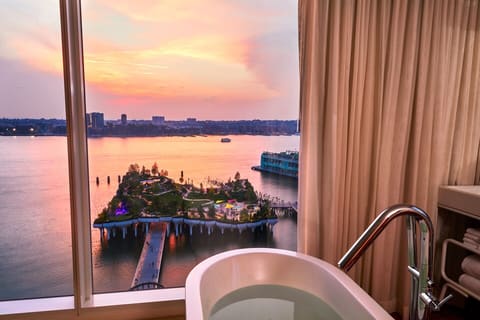
The Standard, High Line
Check availability ›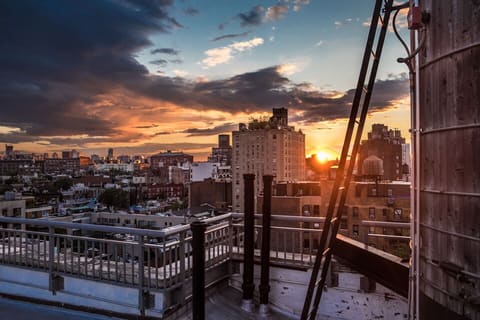
Washington Square Hotel by Library Hotel Collection
Check availability ›Hotel photos: Expedia Group. Ratings are shown as published there. Availability and conditions change; check the booking page. Affiliate links: we may earn a commission at no extra cost to you. All hotels by borough
Questions
Can you visit Westbeth Artists Community?
It is a residential complex, so you cannot walk through the apartments. You can see the exterior from the streets, and its gallery and performance spaces hold public events; check the current program and access rules.
What was the Westbeth building before it became artists’ housing?
It was the Bell Laboratories complex, in use from 1898 until 1966. Bell Labs then moved to Summit, New Jersey, and the buildings were converted into artists’ housing in 1968–1970.
Who can live at Westbeth?
Artists of all disciplines, after review by a committee of resident artists in their field and subject to income requirements. There has long been a waiting list.
Who designed the conversion of Westbeth?
The architect Richard Meier oversaw the conversion, which was his first significant public commission. The developer Dixon Bain led the project with support from the J.M. Kaplan Fund.
Is Westbeth a landmark?
Yes. It was added to the National Register of Historic Places on December 8, 2009, and designated a New York City landmark on October 25, 2011.
Which famous artists lived at Westbeth?
Residents have included the photographer Diane Arbus, the choreographer Merce Cunningham, who had his studio here, the poet Muriel Rukeyser and the jazz arranger Gil Evans.
Also nearby

John J. Harvey
John J. Harvey · the 1931 fireboat that answered the call on 9/11
1.5 km away
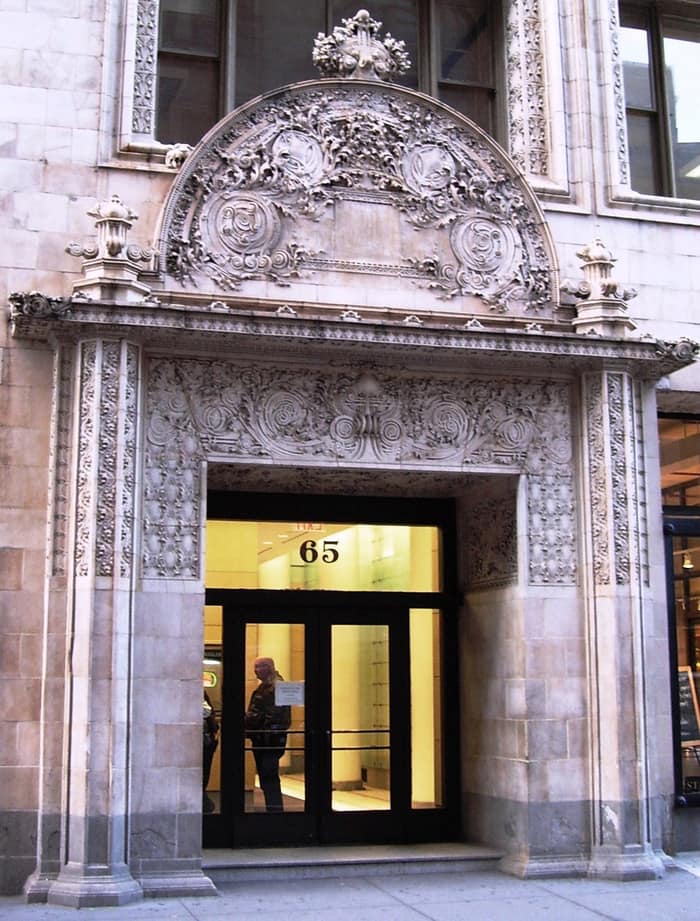
Bayard-Condict Building
Bayard-Condict Building · Sullivan’s only NYC skyscraper, with winged angels
1.5 km away
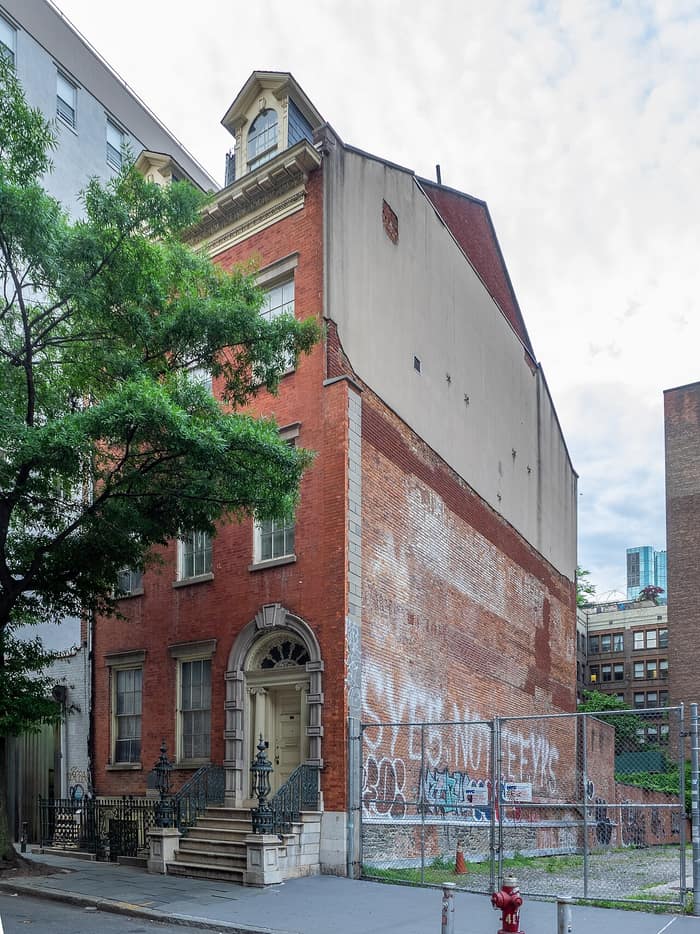
Merchant’s House Museum
Merchant’s House Museum · NoHo home with its original interior
1.5 km away

St. Mark’s Church in-the-Bowery
St. Mark’s Church · Peter Stuyvesant’s vault and poets’ stage
2 km away