Floyd Bennett Field, New York’s First Municipal Airport
Floyd Bennett Field is a former airport in the Marine Park area of southeast Brooklyn, on the shore of Jamaica Bay. Opened in 1931 as New York City’s first municipal airport, it became a magnet for record-breaking pilots and later a naval air station. Today it is part of Gateway National Recreation Area, with huge runways, Art Deco hangars and weathered buildings that make it one of the best off-the-beaten-path stops in Brooklyn.
Wiley Post, Howard Hughes and “Wrong Way” Corrigan all started record flights from this Brooklyn airfield, built on a former garbage-and-glue island. Its hangars and runways now belong to a national park.
The history of Floyd Bennett Field, from Barren Island to national park
Before the airfield there was Barren Island. A settlement grew there in the late 19th century, with a garbage incinerator and a glue factory, and at its peak it was home to “several thousand” people. By the 1920s the industry had faded, and in 1927 a pilot opened a small private airstrip on the island. New York City had plenty of private fields but no municipal airport until the late 1920s. A committee set up under Secretary of Commerce Herbert Hoover listed possible sites, and the city’s aeronautical engineer, the aviator Clarence Chamberlin, chose Barren Island because the land belonged to the city, had no obstacles nearby and bordered Jamaica Bay, where seaplanes could land.
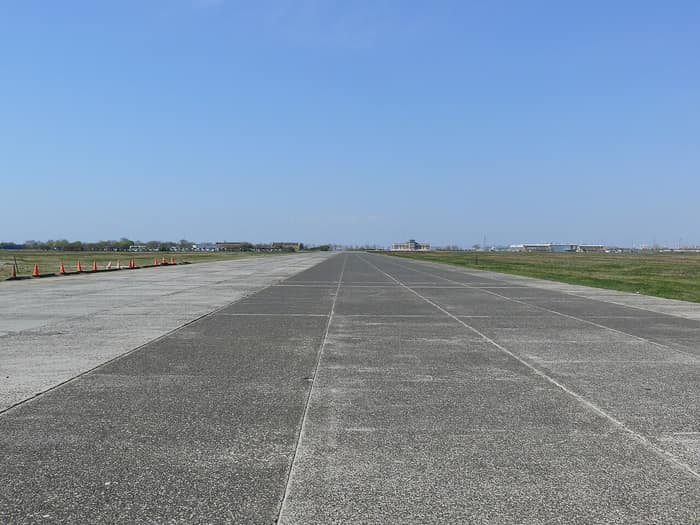
The city approved the project in February 1928. Sand pumped from the bottom of Jamaica Bay filled the channels that separated Barren Island and several smaller islands from the rest of Brooklyn. In October 1928 the project was named for Floyd Bennett, the aviator who, with Richard E. Byrd, claimed the first flight over the North Pole in 1926 and who died of pneumonia in April 1928 while helping rescue the crew of the Bremen. Two wide concrete runways were poured, and one of them was then the longest concrete runway in the country. The field was dedicated on June 26, 1930, and formally opened on May 23, 1931, with eight hangars and an administration building.
As a commercial airport it never took off. It was far from Manhattan, and the airmail contracts went to Newark. In 1933 it handled only 52 airline passengers, against 120,000 at Newark. But the modern facilities and the Atlantic location drew record-breakers: sources count 26 around-the-world or transoceanic flights and 10 transcontinental flights that began or ended here. In July 1933 Wiley Post landed to a crowd of 50,000 after the first solo flight around the world. In July 1938 Howard Hughes started and finished his round-the-world flight here, and days later Douglas “Wrong Way” Corrigan left for California and landed in Dublin, to the delight of the public. Commercial flying ended in 1939, when LaGuardia Field opened.
The Navy, which had leased space since 1931, took over the field in 1941 and made it Naval Air Station New York, with room for 6,500 people. More than 20,000 new aircraft passed through it during World War II, and Navy WAVES worked as air traffic controllers and parachute riggers. After the war it became a Naval Air Reserve base, and the Navy left in 1970. The Coast Guard kept a helicopter station until 1998. Gateway National Recreation Area was created on October 27, 1972, and the field reopened as a park in 1974. Many of its original structures form a historic district on the National Register of Historic Places.
Little-known facts about Floyd Bennett Field
- The land itself is man-made: sand from the bottom of Jamaica Bay was used to join Barren Island and smaller islands to Brooklyn and to raise the site about 16 feet above the high-tide mark.
- In 1931, the pilots Russell Boardman and John Polando needed a longer takeoff run for a flight to Istanbul, so a fence was removed, a parking lot cleared and utility poles along Flatbush Avenue taken down.
- In November 1933, before becoming mayor, Fiorello La Guardia refused to leave a plane at Newark Airport because his ticket said the flight went to New York, and he demanded it be flown to Floyd Bennett Field.
- Douglas “Wrong Way” Corrigan filed a flight plan for California in 1938, flew to Dublin instead and never admitted it was deliberate. New York gave him a ticker-tape parade.
- The neo-Georgian administration building has an Art Deco interior and a four-story tower. Tunnels added in the 1930s let passengers walk under the runways to reach their planes.
- A community garden south of the Ryan Center has about 480 plots and is described as the largest in New York City.
Tours near Floyd Bennett Field
Experiences in the area that you can book online with Viator:


Visiting Floyd Bennett Field: what you can see
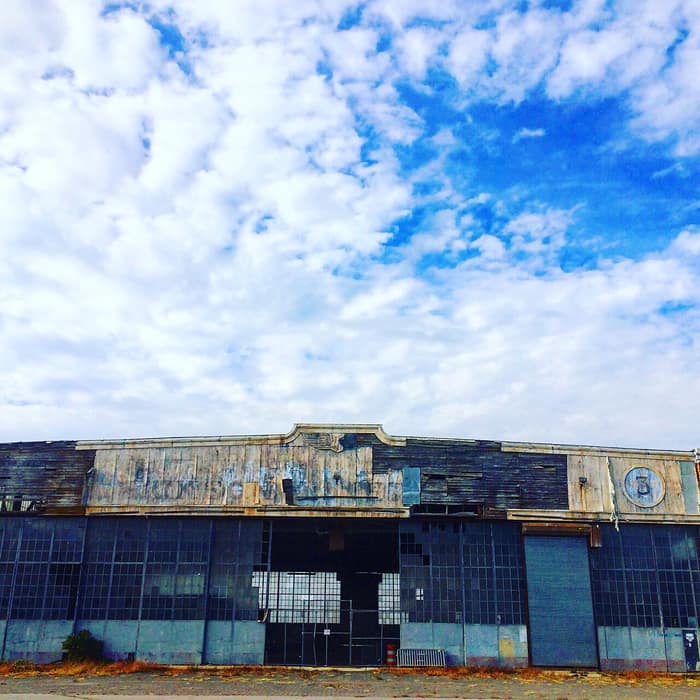
- The field is a public park managed by the National Park Service as part of Gateway National Recreation Area. You can see the long runways, the hangars on Hangar Row and the former administration building from the public areas.
- The former administration building is now the William Fitts Ryan Visitor Center. It is partly open to the public, with guided visits to the former control tower. Check the current schedule and conditions before you plan a visit.
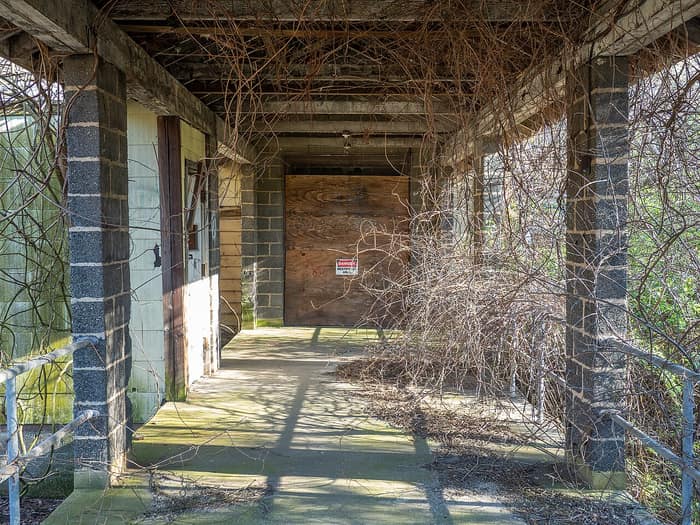
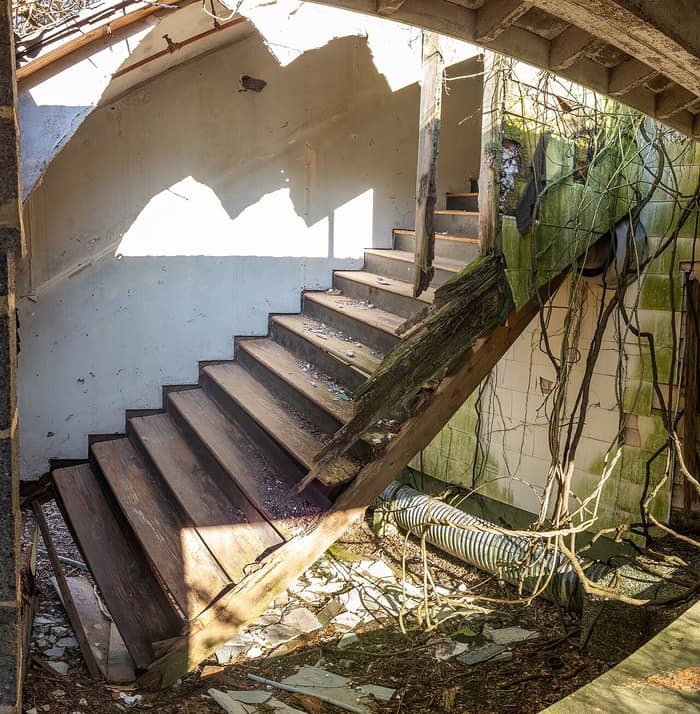
- Not all of the site is open. The grassland area in the middle of the field is closed to the public, and the police, sanitation and park police have their own areas. Buildings that look abandoned are not an invitation to enter: stay in the public zones.
- The park also offers camping, a natural area on the north side, a community garden and open fields, so it works well as a half-day outing combined with the nearby shoreline.
- The field lies about 20 miles from Midtown Manhattan along Flatbush Avenue, so allow plenty of travel time.
Opening hours, access and conditions can change. Check before you go.
Map: where Floyd Bennett Field is
Photos of Floyd Bennett Field
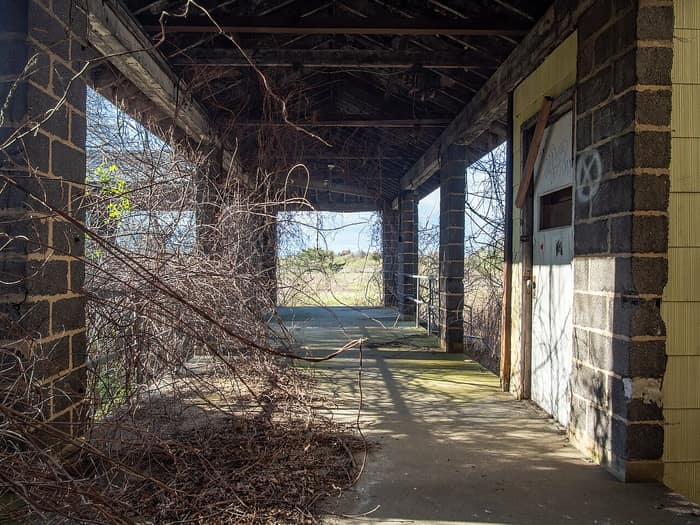
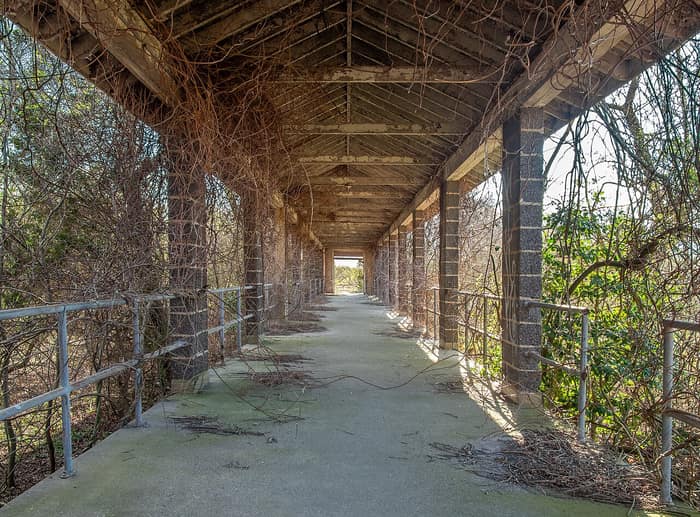
Where to stay near Floyd Bennett Field
Hotels close by, with ratings and current availability.

Hotel Le Bleu
Check availability ›
EVEN Hotel Brooklyn by IHG
Check availability ›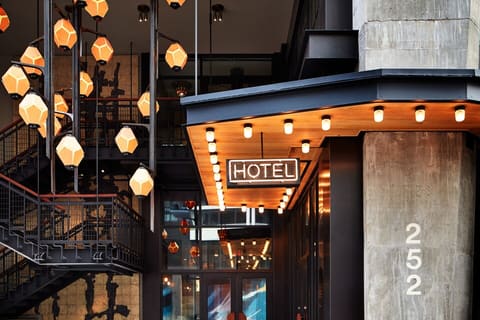
Ace Hotel Brooklyn
Check availability ›Hotel photos: Expedia Group. Ratings are shown as published there. Availability and conditions change; check the booking page. Affiliate links: we may earn a commission at no extra cost to you. All hotels by borough
Questions
What is Floyd Bennett Field in Brooklyn?
It is a former airport on Jamaica Bay, opened in 1931 as New York City’s first municipal airport. It later served as a naval air station and is now part of Gateway National Recreation Area.
Why is it called Floyd Bennett Field?
It was named in 1928 for Floyd Bennett, an aviator who claimed the first flight over the North Pole with Richard E. Byrd and who died that year while helping rescue the crew of the Bremen.
Can you visit Floyd Bennett Field?
Yes, it is a public park run by the National Park Service, with parts open to visitors, including the Ryan Visitor Center. Some areas are closed or restricted, so check the current rules before you go.
Who flew from Floyd Bennett Field?
Many famous aviators, including Wiley Post, Howard Hughes, Amelia Earhart, Jacqueline Cochran and Douglas “Wrong Way” Corrigan, used the field for record attempts in the 1930s.
Why did Floyd Bennett Field stop being an airport?
Its distance from Manhattan hurt commercial use, and airline traffic moved to LaGuardia Field in 1939. The Navy then used it until 1970, and it became a park in 1974.
Are the old hangars still there?
Yes. The original eight hangars and the administration building survive, many in their original state, and several are listed in a historic district. Some have been reused, while others show their age.
Also nearby
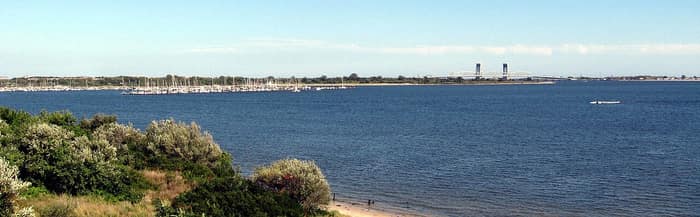
Barren Island
Barren Island · former island of fish oil, garbage and Dead Horse Bay
300 m away

HMS Liverpool
HMS Liverpool · a Royal Navy frigate wrecked in Jamaica Bay
3 km away
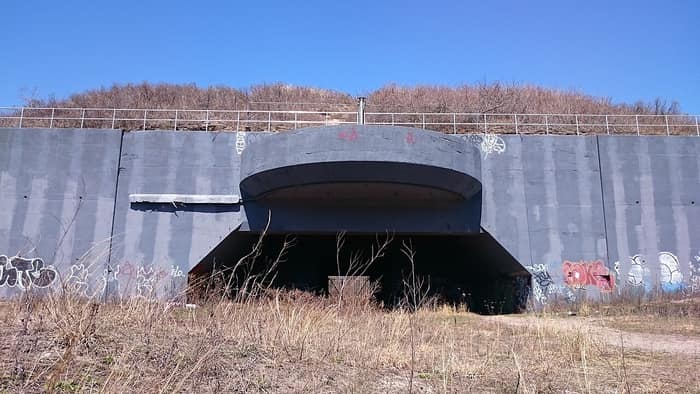
Fort Tilden
Fort Tilden · graffiti-covered batteries between dunes and sea
3.5 km away
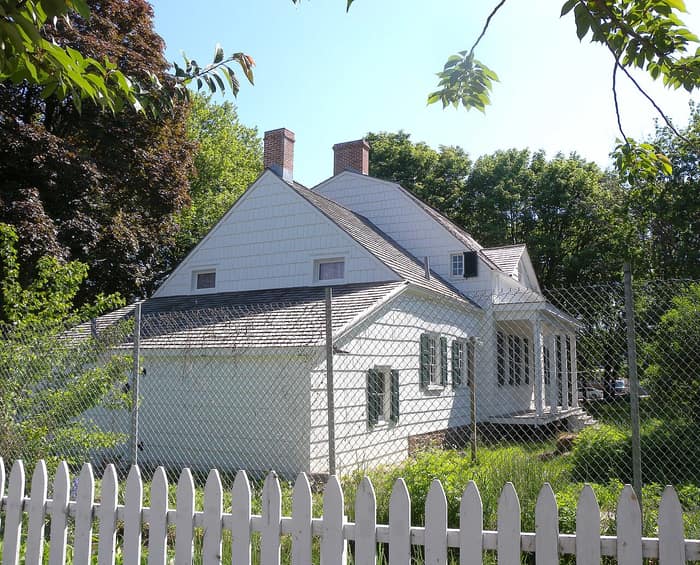
Hendrick I. Lott House
Hendrick I. Lott House · a Dutch colonial farmhouse in Marine Park
4 km away