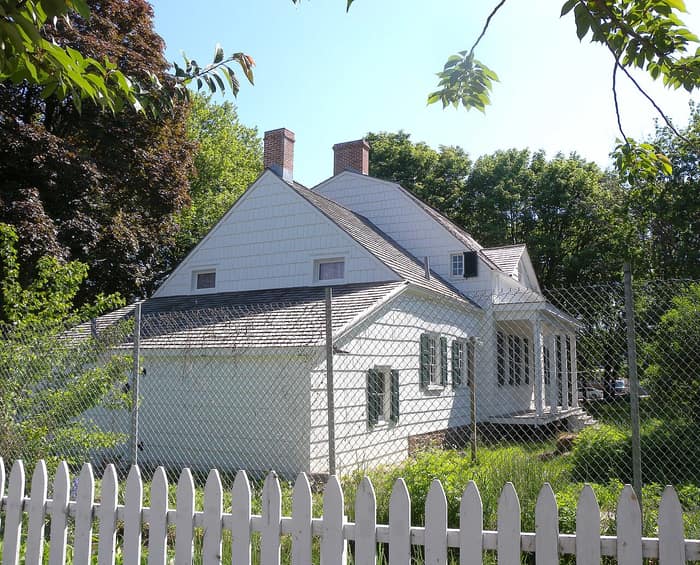
Hendrick I. Lott House, a Dutch Colonial Farmhouse in Marine Park
The Hendrick I. Lott House is a historic farmhouse at 1940 East 36th Street in Marine Park, Brooklyn. Built around 1800 and incorporating part of a 1720 homestead, it is one of the oldest Dutch colonial houses in the borough and a New York City designated landmark. It is a quiet piece of old Brooklyn farmland in a modern residential neighborhood, and a place with a complex history.
A 1720 farmhouse became the kitchen wing of a grander home, still standing in Brooklyn’s Marine Park. Its story includes slavery, an early freeing of enslaved workers and a hidden closet linked to the Underground Railroad by tradition.
The history of the Hendrick I. Lott House
The story starts with Johannes Lott, a member of the Colonial Assembly, who bought land in the rural area of Flatlands in 1719 and farmed it. He expanded the family holdings from Kings Highway south to Jamaica Bay, to a spot known as Lott’s Landing, and built his homestead in 1720, just east of the present house. When he died in 1775 the farm passed to his son Johannes Jr., who lived there until 1792.
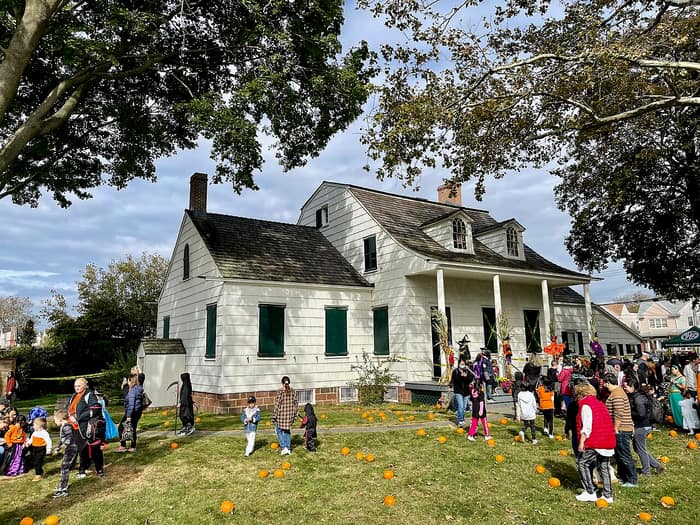
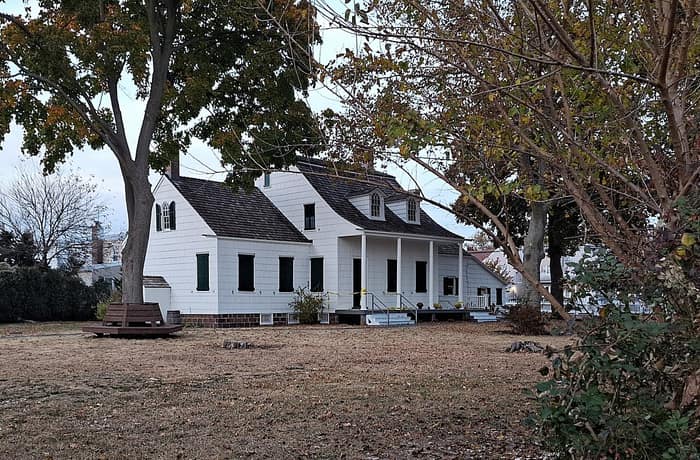
In 1792 Hendrick I. Lott married Mary Brownjohn and found his grandfather’s house too small and old-fashioned for a leading family. He built a larger and grander house, combining Dutch architecture with English influence. He moved the 1720 house to the east end of the new one, where it served as the kitchen wing, and balanced it with a matching west wing. The gambrel roof with graceful spring eaves is typical of Dutch colonial style, while the dormer windows he added are Federal in style. Inside, the house has 18 rooms arranged around a central hall.
At its peak in the 19th century the Lott farm covered more than 200 acres. The family grew cabbage, potatoes, vegetables and wheat for the markets of Brooklyn and Manhattan, and the farm had outbuildings, barns and a separate stone kitchen. Like most large farmers in southern Kings County, the Lotts relied heavily on the labor of enslaved people, and they held more than anyone else in the neighborhood. As New York State began passing laws toward gradual emancipation, the family freed all but one of the enslaved people by 1805, long before the state abolished slavery in 1827, and then hired the freed people back as paid workers. Some have argued this makes the family abolitionists. A tradition holds that the house may also have served as a stop on the Underground Railroad.
For about two centuries the descendants of the Lotts lived in the homestead and farmed the land. The last farmer, John Bennett Lott, died in 1923, after which most of the land was sold, leaving only three-quarters of an acre around the house. The last Lott descendant to live there, Ella Suydam, stayed until she died in 1989. Doctoral students who grew up nearby later found windowless rooms that they believed had been slept in by enslaved people, and under the floors they found corncobs arranged in star and cross shapes and other spiritual objects, which they linked to shared religious practices with West Africa.
New York City’s Department of Parks and Recreation bought the house in 2001. It is operated with the Hendrick I. Lott House Preservation Association and belongs to the Historic House Trust. Restoration of the structure and roof began in the mid-2000s, and in February 2025 media reported that the house would become a historic house museum, with architects Mitchell Giurgola hired for structural repairs and interior restoration due to begin in 2026.
Little-known facts about the Hendrick I. Lott House
- The oldest part of the house, the 1720 homestead, was moved to the east end of the new building and became the kitchen wing.
- In the 19th century the farm exceeded 200 acres, but the house now stands on just three-quarters of an acre at its original location.
- The foundation of the separate stone kitchen, between the house and East 36th Street, was excavated in 1998 by the Brooklyn College Archaeological Research Center.
- Doctoral students found corncobs placed in star or cross shapes under the floors of windowless rooms, spiritual objects believed to link the worlds of the living and the dead.
- Visitors were once told about a closet believed to have been a temporary haven for people escaping along the Underground Railroad. This is a tradition, not a firmly documented fact.
- The Lotts held the most enslaved people in the neighborhood, yet they freed all but one by 1805 and rehired them as paid workers.
Tours near Hendrick I. Lott House
Experiences in the area that you can book online with Viator:


Visiting the Hendrick I. Lott House
- The house stands at its original location at 1940 East 36th Street in Marine Park and is protected as a New York City landmark and listed on the National Register of Historic Places.
- Restoration has been under way for years. During the work it was occasionally opened to the public, but regular opening is not guaranteed, so check the current rules and any event dates before you go.
- In February 2025 media reported that the house would become a historic house museum, with interior restoration due to begin in 2026. Opening plans may therefore change.
- The house is owned by the city’s Parks Department and run with the Hendrick I. Lott House Preservation Association; official information should come from them or the Historic House Trust.
- Other Brooklyn farmhouses such as the Wyckoff House and the Wyckoff-Bennett Homestead can be combined in a single outing on the same side of the borough.
Opening hours, access and conditions can change. Check before you go.
Map: where Hendrick I. Lott House is
Photos of Hendrick I. Lott House

Questions
What is the Hendrick I. Lott House?
It is a historic Dutch colonial farmhouse in Marine Park, Brooklyn, built around 1800 around a 1720 homestead. It is a New York City landmark and is listed on the National Register of Historic Places.
Where is the Hendrick I. Lott House?
It is at 1940 East 36th Street, between Fillmore Avenue and Avenue S, in Marine Park in southern Brooklyn.
Can you visit the Hendrick I. Lott House?
Only on occasion. The house is being restored and has been opened only at times, and it is planned to become a historic house museum. Check the current rules before you go.
Was the Hendrick I. Lott House part of the Underground Railroad?
A tradition says it may have been a stop, and visitors have been told about a closet believed to have sheltered people escaping slavery. Sources present it as likely rather than proven.
What does Dutch colonial mean?
It is an architectural style from the Dutch settlement of New York, known for gambrel roofs with spring eaves that flare out gracefully at the base. The Lott House is a late example that also borrows English and Federal details.
Who lived in the Lott House?
Several generations of the Lott family, farmers who settled the area in 1719, lived here for about two centuries. The last descendant to live there, Ella Suydam, died in 1989.
Also nearby
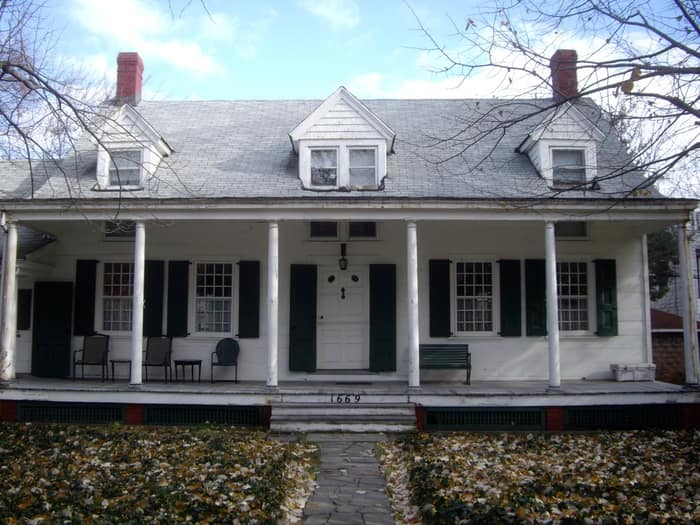
Wyckoff-Bennett Homestead
Wyckoff-Bennett Homestead · Dutch farmhouse in Flatlands
1.5 km away
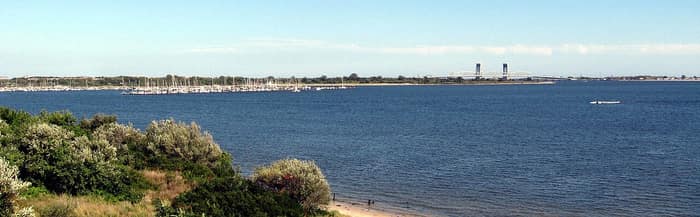
Barren Island
Barren Island · former island of fish oil, garbage and Dead Horse Bay
4 km away
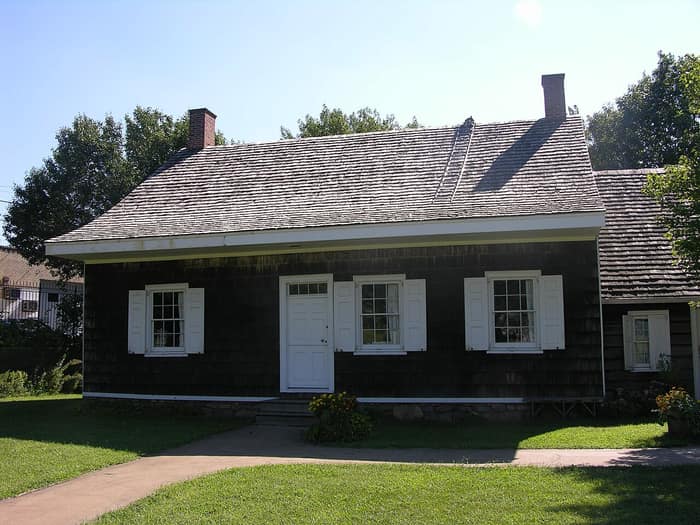
Wyckoff House
Wyckoff House · Dutch frame house in East Flatbush
4 km away
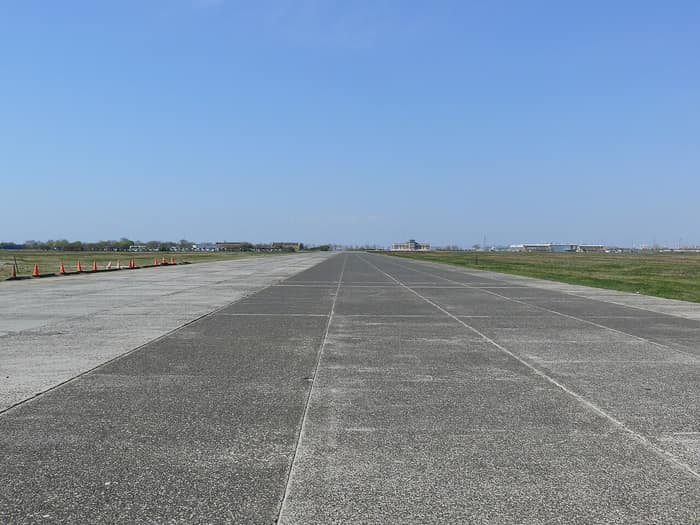
Floyd Bennett Field
Floyd Bennett Field · Brooklyn’s historic airfield on Jamaica Bay
4 km away