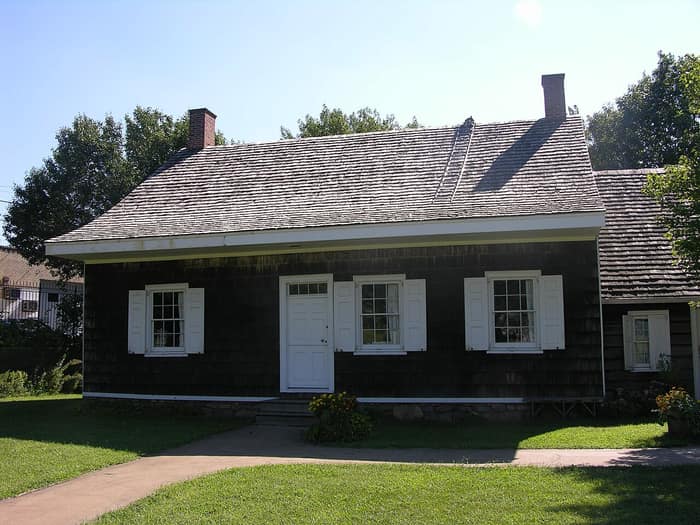
Wyckoff House, a Dutch Farmhouse Older Than Brooklyn’s Streets
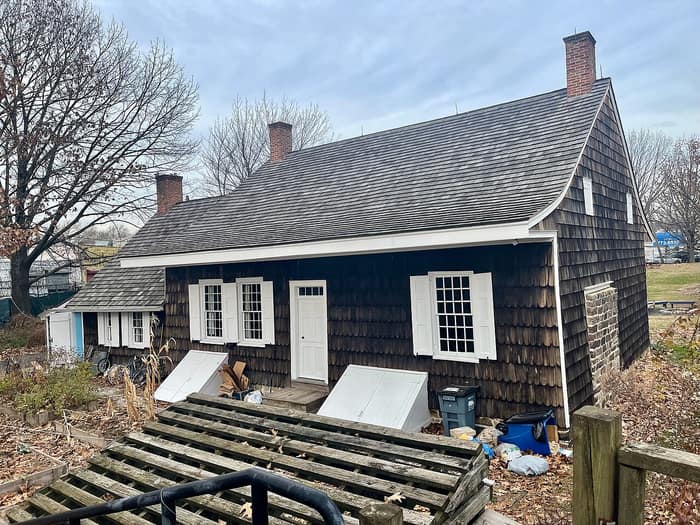
The Wyckoff House, also called the Pieter Claesen Wyckoff House, stands at 5816 Clarendon Road in East Flatbush, Brooklyn, inside Milton Fidler Park. It is one of the oldest surviving examples of a Dutch frame house in America and one of the first structures built by settlers on Long Island. A National Historic Landmark and a New York City landmark, it makes a rewarding off-the-beaten-path stop in Brooklyn.
In the middle of a Brooklyn park stands a farmhouse that is estimated to date from before 1641, built on land bought from the Lenape. It is among the oldest Dutch frame houses left in America.
The history of the Wyckoff House, a Dutch farmhouse in Brooklyn
The story begins in about 1636, when Wouter van Twiller, director general of the Dutch colony of New Netherland, bought the land from the Lenape people. Van Twiller ordered several houses to be built here before he was recalled to the Netherlands by 1640, and the Wyckoff House is estimated to have been built before 1641. That makes it one of the first structures put up by settlers on Long Island.
Around 1652 the family of Pieter Claesen Wyckoff moved in. He had come from Norden, in East Frisia, now in Germany, as a contract farm worker at Rensselaerwyck, near present-day Albany. In 1655 he signed a contract to run the farm and cattle of Peter Stuyvesant in New Amersfoort, today’s Flatlands. He prospered, acquired land and became a local judge, and he helped found the Flatlands Dutch Reformed Church. After the British took over the colony in 1674 he adopted the fixed surname Wyckoff. Many people in North America with that surname trace their roots to his family.
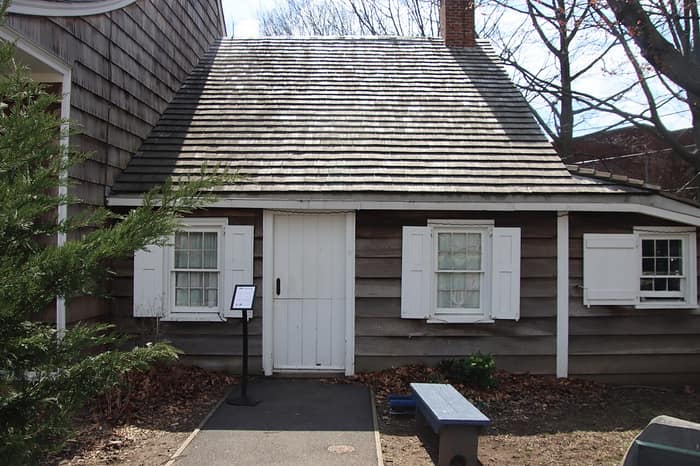
The house changed as the generations passed. Most of what visitors see today was added in the 19th century, while the small kitchen section goes back to the 18th century. Sources differ on the exact dates of each part, so the building is best described as a house that grew over time, with a very old core.
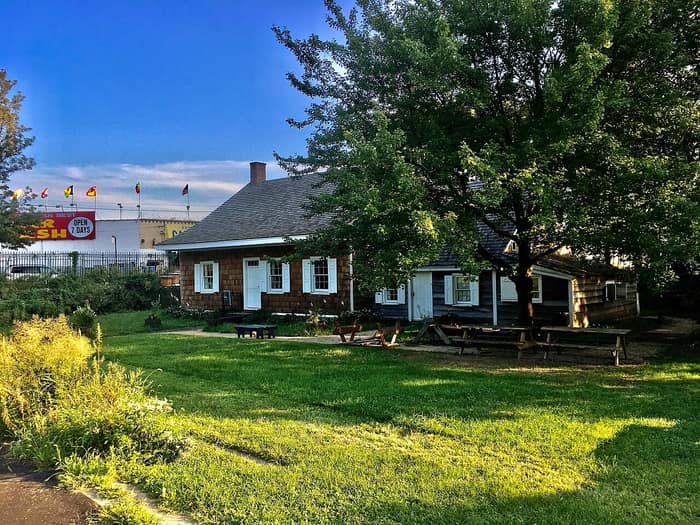
In the 20th century it earned official protection. The house was declared a National Historic Landmark in 1967 and is also a New York City designated landmark. It is owned by the city and operated by The Wyckoff House & Association, which runs the Wyckoff House Museum and a variety of programs, including a community gardening apprentice program for young people. The farmhouse that once stood among open fields now sits in a park, surrounded by a dense residential borough.
Little-known facts about the Wyckoff House
- The house is estimated to have been built before 1641, which is why it is counted among the oldest buildings in New York and in the United States.
- The land was bought from the Lenape by the Dutch colony’s director general, Wouter van Twiller, in about 1636.
- Pieter Claesen Wyckoff came from East Frisia, in present-day Germany, and began his life in the colony as a contract farm worker.
- He adopted the fixed surname Wyckoff in 1674, after the British took over the colony. The town of Wyckoff, New Jersey, is named after the family.
- According to Wikipedia, the list of his descendants includes figures such as the Wright brothers, Walter Chrysler and Georgia O’Keeffe.
- The museum offers a community gardening apprentice program for youth, a living link to the farm the house once belonged to.
Tours near Wyckoff House
Experiences in the area that you can book online with Viator:


Visiting the Wyckoff House in East Flatbush
- The house operates as a museum, the Wyckoff House Museum. Check the current opening hours, tours and access rules before you go.
- It stands inside Milton Fidler Park at 5816 Clarendon Road, so the grounds are part of the experience.
- Look for the contrast between the small, older kitchen section and the larger 19th-century parts of the building.
- Ask about the museum’s programs, including the youth gardening apprenticeship, which may change from year to year.
- The Wyckoff-Bennett Homestead in Flatlands, another Dutch farmhouse, is a short drive away, but it is private property.
Opening hours, access and conditions can change. Check before you go.
Map: where Wyckoff House is
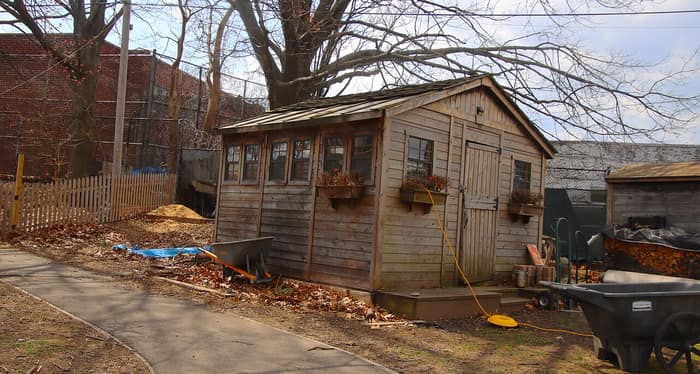
Photos of Wyckoff House

Questions
What is the Wyckoff House?
It is a historic Dutch frame house at 5816 Clarendon Road in East Flatbush, Brooklyn, run as the Wyckoff House Museum inside Milton Fidler Park.
How old is the Wyckoff House?
It is estimated to have been built before 1641, and the Wyckoff family moved in around 1652. Much of the current structure was added in the 19th century.
Can you visit the Wyckoff House?
Yes, it operates as a museum on city-owned land. Check the current opening hours and visiting options before you go.
Who was Pieter Claesen Wyckoff?
He was a Dutch colonial farmer from East Frisia who became a local judge in Kings County and a founder of the Flatlands Dutch Reformed Church. Many Wyckoffs descend from him.
Is the Wyckoff House a landmark?
Yes. It was declared a National Historic Landmark in 1967 and is also a New York City designated landmark.
How do I get to the Wyckoff House?
It is in East Flatbush, Brooklyn, inside Milton Fidler Park on Clarendon Road. Check current transit options and visiting hours before you go.
Also nearby

Weeksville Heritage Center
Weeksville · a 19th-century free Black town hidden in Brooklyn
3.5 km away
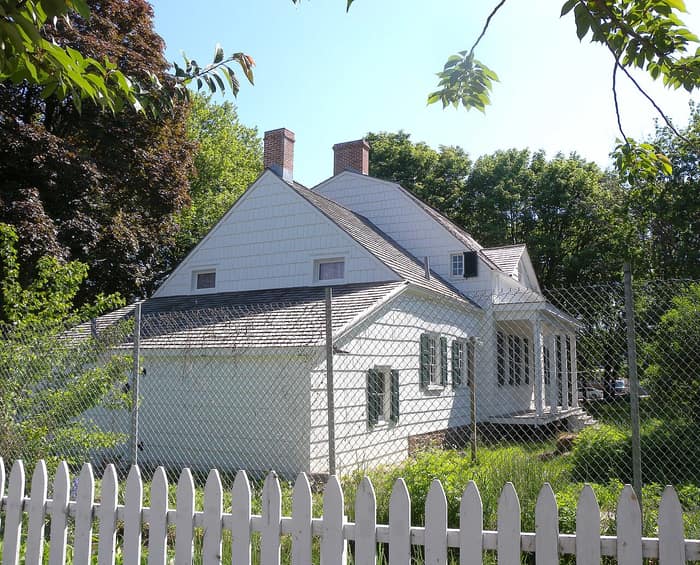
Hendrick I. Lott House
Hendrick I. Lott House · a Dutch colonial farmhouse in Marine Park
4 km away
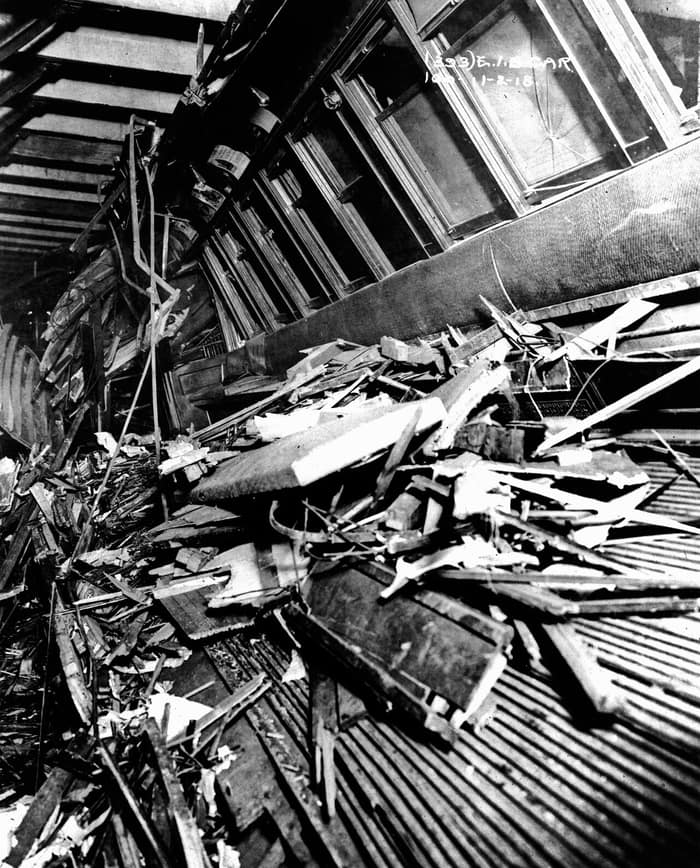
Malbone Street Wreck
Malbone Street Wreck · the deadliest crash in NYC subway history
4 km away
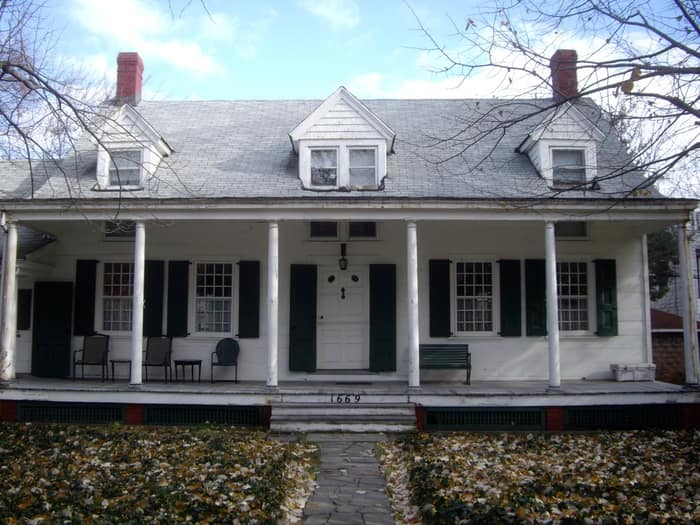
Wyckoff-Bennett Homestead
Wyckoff-Bennett Homestead · Dutch farmhouse in Flatlands
4.5 km away