
Minton’s Playhouse, the Harlem Jazz Club Behind Bebop
Minton’s Playhouse is a jazz club on the ground floor of the Cecil Hotel, at West 118th Street in Harlem, Manhattan. Founded in 1938, it is remembered as one of the places where bebop took shape in the early 1940s. It is a rewarding stop for music lovers who want a hidden gem uptown, away from the usual Midtown sights.
Union delegates could fine musicians for jamming, yet this Harlem club was “somewhat immune” because its owner was a union man. Its late-night sessions helped turn swing into bebop.
The history of Minton’s Playhouse, from jam sessions to landmark
Minton’s Playhouse was founded in 1938 by the tenor saxophonist Henry Minton. He was known in Harlem as the first Black delegate to the American Federation of Musicians Local 802 and had earlier managed the Rhythm Club, a venue frequented by Louis Armstrong, Fats Waller and Earl Hines. The novelist Ralph Ellison later wrote that Minton understood the economic and artistic needs of working musicians. His generosity with food and loans made the club a favorite hangout, and his union ties allowed him to hold regular jam sessions at a time when the union forbade them and could fine players for taking part.
In late 1940 Minton hired Teddy Hill, a former bandleader, to run the club. Hill drew on his contacts at the Savoy Ballroom and the Apollo Theater and assembled a house band with Thelonious Monk on piano, Joe Guy on trumpet, Nick Fenton on bass and Kenny Clarke on drums. A feature of his tenure was the Monday Celebrity Nights, sponsored by the family that owned the nearby Apollo, when performers received free dinner and drinks after a long week. Dizzy Gillespie and the electric guitarist Charlie Christian joined the band often, and the group is seen as the center of the emergence of bebop in the early 1940s.
Guests such as Roy Eldridge, Lester Young, Ben Webster and Don Byas came to sit in, and the trumpet duels between Eldridge and Gillespie became legendary. After Christian died in 1942, the alto saxophonist Charlie Parker became a leader of the new movement, and younger players such as Miles Davis, Max Roach and Art Blakey were drawn to the club. The band had ways of testing newcomers: tunes were played in difficult keys, and the bassist Charles Mingus recalled having to audition in a back room. When Teddy Hill refused to hire Parker, Clarke and Monk decided to pay him from their own salaries.
In the 1950s the club replaced its open jam policy with big-name acts, and by the late 1960s the writer Amiri Baraka judged that its groups copied what had been experimental twenty-five years earlier. Minton’s closed in 1974. After more than thirty years it reopened on May 19, 2006, as the Uptown Lounge at Minton’s Playhouse, but closed again in 2010. In 2013 it was revived as a jazz club and restaurant, which brought a new generation of musicians to the room. On June 27, 2023, the New York City Landmarks Preservation Commission designated the Hotel Cecil and Minton’s Playhouse as a city landmark.
Little-known facts about Minton’s Playhouse
- Henry Minton’s union connections meant that musicians were “somewhat immune” from the fines that union delegates handed out for jam sessions, according to Dizzy Gillespie’s recollection.
- In 1941 the Columbia University student Jerry Newman recorded sessions at the club. Those tapes preserved Charlie Christian’s playing, which the critic Gunther Schuller described as the birth of a new language in jazz.
- Teddy Hill bought Charlie Christian an amplifier to use at the club so he would not have to bring his own, and Hill kept it until his death in 1978.
- The food was almost as famous as the music. On Monday nights the Apollo’s performers were guests, and Gillespie remembered that there was always something to eat.
- To weed out beginners, the house band reportedly played standards such as “I Got Rhythm” in difficult keys, and Charles Mingus said he had to prove himself in a back room before being allowed on stage.
- The recording “Midnight at Minton’s” (1941) and Stanley Turrentine’s 1961 live album “Up at ‘Minton’s’” keep the club’s name alive on record.
Tours near Minton’s Playhouse
Experiences in the area that you can book online with Viator:


Visiting Minton’s Playhouse in Harlem
- The club is on the first floor of the Cecil Hotel. The door is at 206 West 118th Street and is marked by a small plaque, so look for it carefully.
- According to the sources it has operated as a jazz club and restaurant since its 2013 revival, but venues change. Check the current schedule, entrance and any reservation rules before you go.
- The building is a New York City landmark, so the exterior and the setting can be enjoyed from the street even when the venue is closed.
- Harlem is also known for the Apollo Theater, which the sources link to the club’s Monday nights. Both can be combined in one evening out.
- Evening visits are best planned in advance, since a live music venue works to its own schedule.
Opening hours, access and conditions can change. Check before you go.
Map: where Minton’s Playhouse is
Photos of Minton’s Playhouse
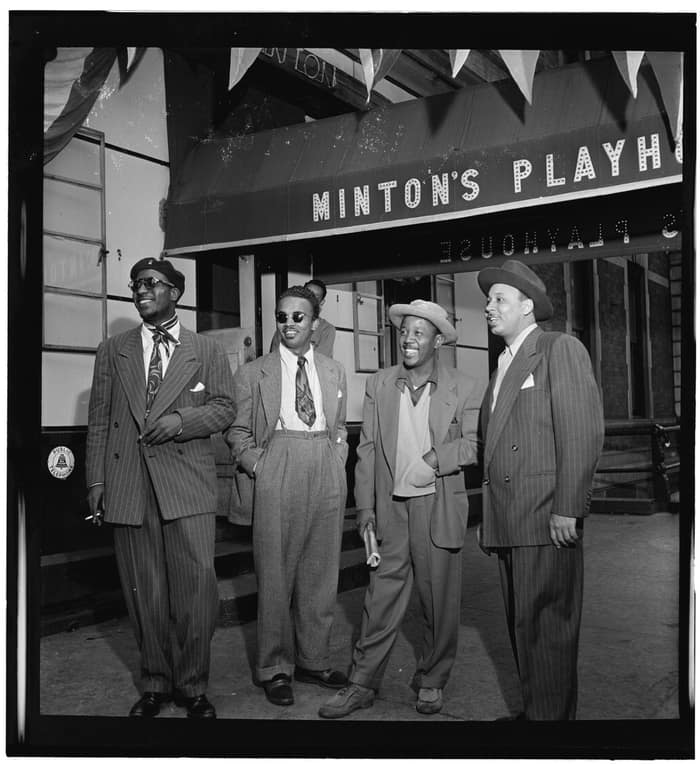
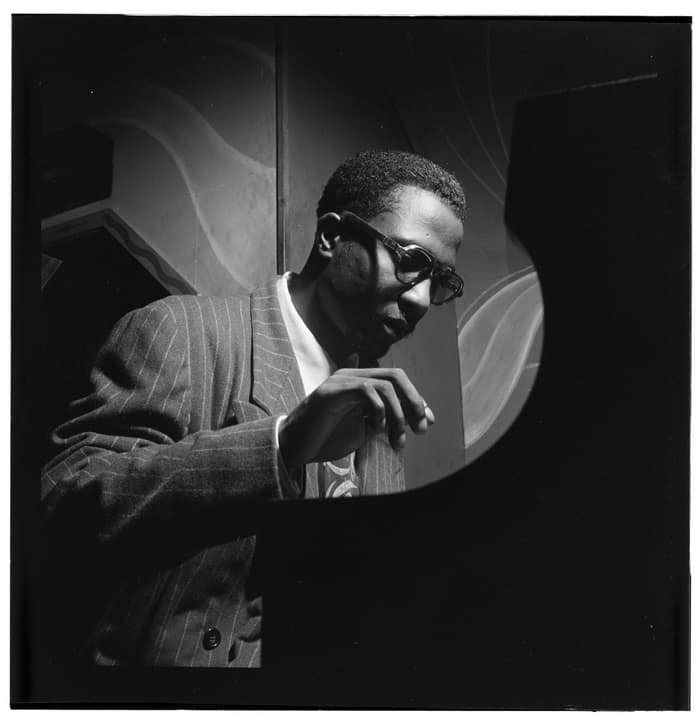
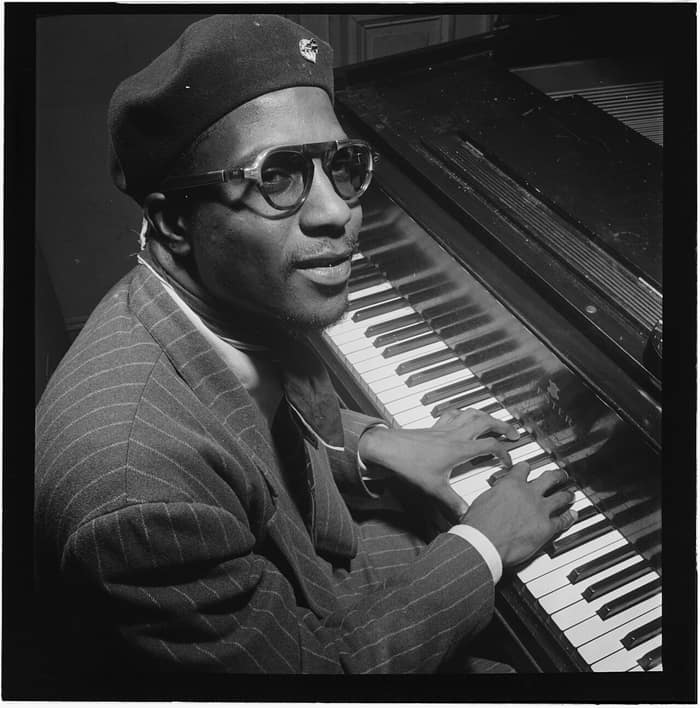
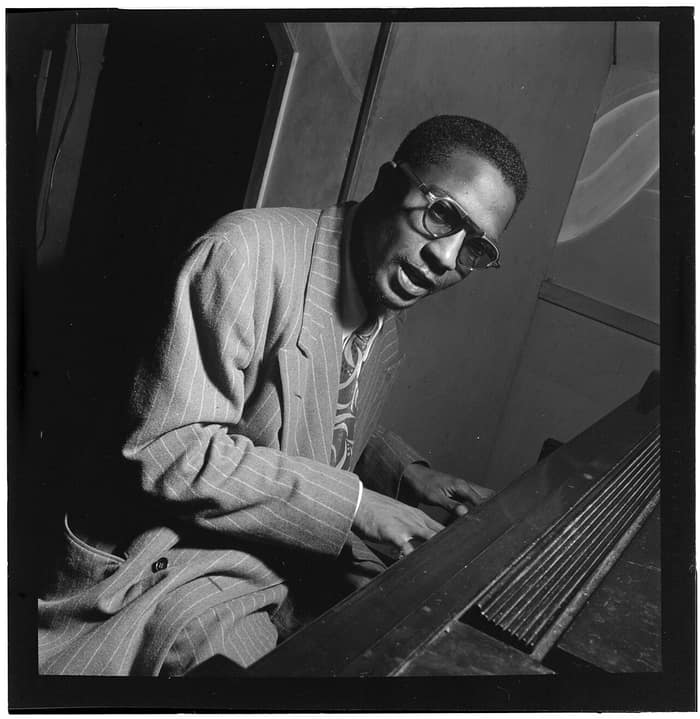

Questions
What is Minton’s Playhouse?
It is a jazz club and restaurant on the first floor of the Cecil Hotel in Harlem, founded in 1938 and famous for the jam sessions that helped shape bebop.
Why is Minton’s Playhouse important to jazz history?
In the early 1940s Thelonious Monk, Kenny Clarke, Dizzy Gillespie, Charlie Christian and Charlie Parker played together here and are credited with pioneering bebop in its jam sessions.
Where is Minton’s Playhouse?
It is in Harlem, Manhattan. The door is at 206 West 118th Street, marked by a small plaque, in the same building as the Cecil Hotel.
Can you visit Minton’s Playhouse today?
The club was revived in 2013 as a jazz club and restaurant. Check its current schedule, entrance and reservation rules before you go.
Who founded Minton’s Playhouse?
The tenor saxophonist Henry Minton opened it in 1938. Teddy Hill, a former bandleader, became manager in late 1940 and put together the house band.
Is Minton’s Playhouse a landmark?
Yes. The New York City Landmarks Preservation Commission designated the Hotel Cecil and Minton’s Playhouse as a city landmark on June 27, 2023.
Also nearby
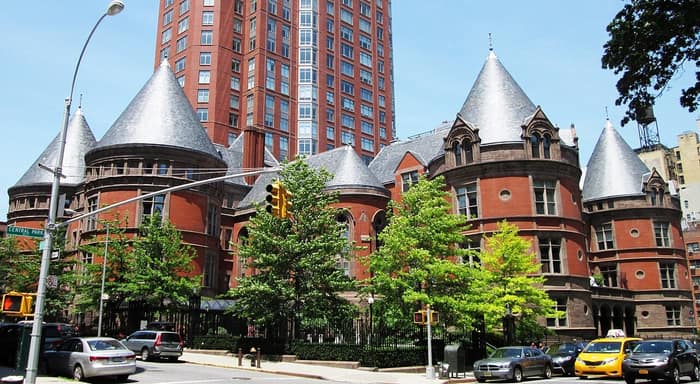
New York Cancer Hospital
New York Cancer Hospital · a French château built as a hospital
1000 m away
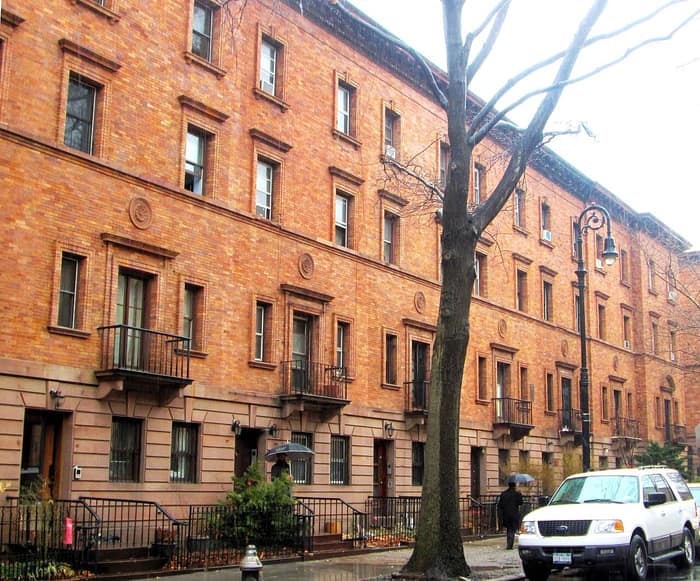
St. Nicholas Historic District (Striver’s Row)
Striver’s Row · Gilded Age row houses and a Harlem milestone
1.5 km away

Pomander Walk
Pomander Walk · a storybook lane tucked into the Upper West Side
2 km away
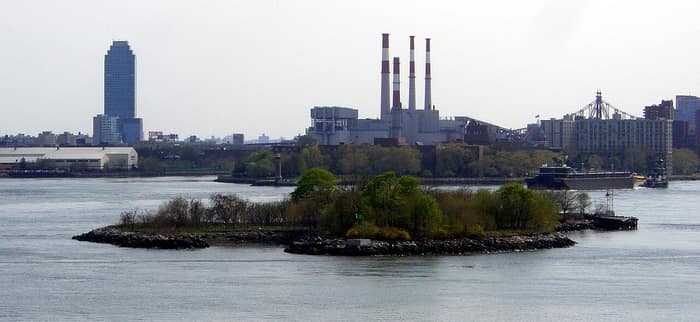
Mill Rock
Mill Rock · a tiny island joined by a huge blast
3 km away